
Why the Price Gap Between Waymo and Uber Is Getting Smaller
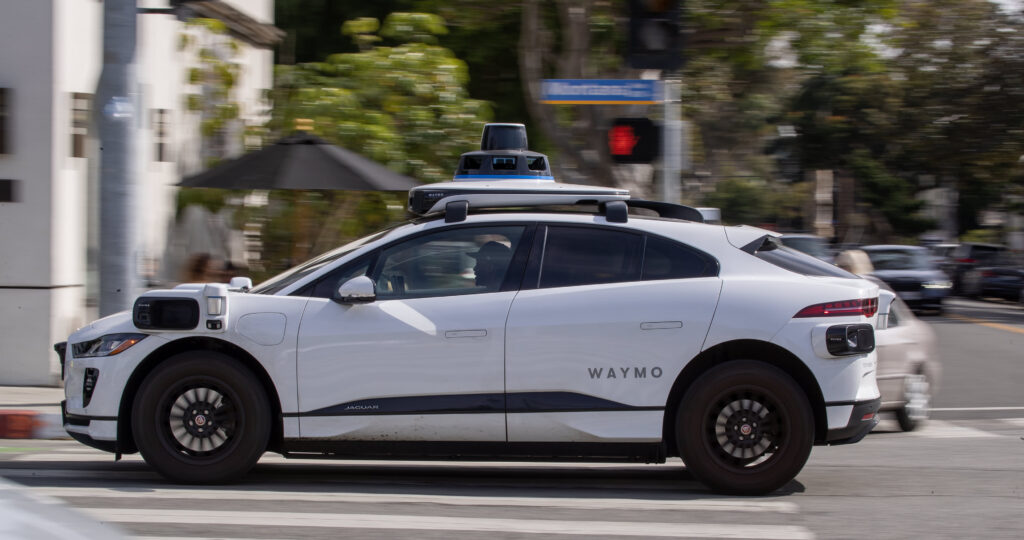
For years, the difference felt obvious. Booking a ride with Uber was usually the cheaper, everyday option. Meanwhile, Waymo was the futuristic choice cool, experimental, and noticeably more expensive. But that clear price separation is starting to blur.
In several cities where Waymo operates, riders are seeing fares that are surprisingly close to Uber’s. Sometimes the difference is small enough that price no longer feels like the deciding factor. And that shift is more important than it looks. Because once autonomous rides stop feeling “premium-priced,” the entire ride-hailing game changes.
Price Used to Be the Biggest Barrier
Let’s be honest: most people don’t choose transportation based on ideology. They choose based on cost, convenience, and habit.
Waymo’s early pricing reflected its position as a tech pioneer. The service was limited, the technology was new, and the costs were high. Higher fares made sense not just economically, but psychologically. Riders expected to pay more for a car with no driver.
Uber, on the other hand, optimized everything around accessibility. Large driver networks, aggressive promotions, and dynamic pricing helped it dominate daily transportation needs. For a long time, the question wasn’t “Which one should I choose?”
It was “Do I want to pay extra for this?” Now that question is fading.
The Gap Is Narrowing and People Are Noticing
In cities like Phoenix and San Francisco, riders have begun comparing receipts. A Waymo ride that once felt noticeably more expensive is now sometimes only slightly higher than Uber or roughly the same. During Uber surge pricing, the situation flips. Waymo’s fare can look calmer, more stable, and occasionally cheaper.
That moment when people stop assuming Waymo is always more expensive is critical. It signals that autonomous ride-hailing is no longer just testing the market. It’s entering real competition.
How Waymo Is Able to Push Prices Down
Lower prices don’t mean Waymo suddenly became cheap to operate. Autonomous technology is still expensive to develop and maintain. But the cost structure is different.
Waymo doesn’t deal with:
- Driver wages
- Driver incentives
- Shift scheduling
- Human error-related variability
Once vehicles are deployed and systems are running, the cost of each additional ride becomes more predictable. Over time, scale starts working in Waymo’s favor. The goal isn’t to undercut Uber overnight. It’s to reach price parity, where riders feel comfortable choosing based on preference instead of cost. And Waymo is getting close.
Uber’s Pricing Problem Isn’t New But It’s Louder Now
Uber’s dynamic pricing has always been a double-edged sword.
On one hand, it helps balance supply and demand. On the other, it frustrates users. A ride that costs $12 one moment can jump to $28 the next, with no clear explanation beyond “high demand.” When Waymo was clearly more expensive, Uber’s pricing swings were easier to tolerate. It was still the “cheaper” option most of the time. But as the price gap narrows, unpredictability becomes a weakness.
If two rides cost roughly the same, users start caring more about:
- Consistency
- Comfort
- Control
- Stress level
And that’s where autonomous rides quietly shine.
Experience Starts to Matter More Than Ever
Once price stops being the main filter, experience takes over.
Waymo offers something Uber can’t easily replicate:
- No driver interaction
- No tipping pressure
- No awkward silence or forced conversation
- No concern about ratings or misunderstandings
For some riders, especially commuters and solo travelers, that predictability is valuable. It feels neutral. Calm. Almost invisible. Uber still offers flexibility and reach, but the emotional experience is less consistent. When price differences disappear, those small frictions start to stand out.
Trust in Autonomous Rides Is Growing
A few years ago, many people were hesitant to step into a driverless car. The idea felt risky, unfamiliar, even scary.
That sentiment is changing. Repeated exposure matters. Riders who try Waymo often describe the experience as smooth, cautious, and surprisingly boring in a good way. The technology fades into the background.
As trust increases, price sensitivity naturally follows. People stop asking, “Is this safe?” and start asking, “Is this worth it?” And when the answer is “It costs about the same,” adoption accelerates.
This Isn’t About Beating Uber Yet
Let’s be clear: Uber is not suddenly in danger of being replaced.
Uber still dominates in:
- Geographic coverage
- Availability
- Multi-service offerings (delivery, rentals, etc.)
Waymo operates in limited zones and controlled environments. But disruption rarely starts with total replacement. It starts with normalization. The moment Waymo becomes “just another ride option,” user behavior begins to shift slowly, quietly, but consistently. And price parity is what enables that shift.
A Bigger Signal for the Future of Mobility
The shrinking price gap between Waymo and Uber isn’t just about two companies competing. It’s about a broader transition in transportation.
It suggests that:
- Autonomous systems are becoming economically viable
- AI-driven services are moving beyond novelty
- Consumers are ready to judge outcomes, not processes
People don’t care how a ride works. They care that it’s safe, affordable, and reliable. Once autonomous rides check those boxes at a comparable price, the mental barrier disappears.
Final Thoughts
The narrowing price difference between Waymo and Uber marks a turning point. It shows that autonomous ride-hailing is stepping out of the future and into the present. Waymo doesn’t need to be cheaper than Uber to win. It just needs to be close enough to make people curious and comfortable.
And once curiosity turns into habit, the real competition begins. The gap is shrinking. And that quiet shift might be one of the most important signals in the future of urban mobility.