
Waymo Reportedly Raises $16 Billion to Expand Self-Driving Technology
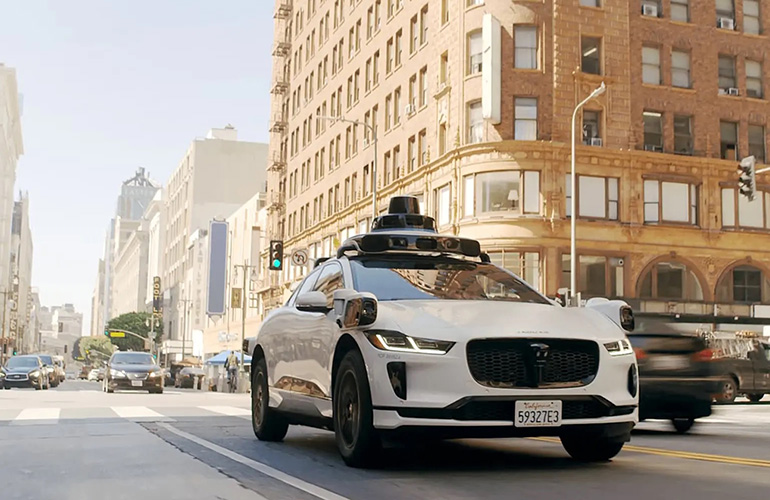
The self driving car race just hit another major milestone. Waymo has reportedly secured 16 billion dollars in funding, a massive number that immediately grabbed attention across the tech and mobility world. For a company that has spent years quietly refining autonomous technology, this funding round feels like a loud statement. Waymo is not just experimenting anymore. It is preparing to scale.
This news signals growing confidence from investors that autonomous vehicles are no longer a distant sci fi dream, but a real business with long term potential.
A Quick Look at Waymo’s Journey
Waymo is not a startup that appeared overnight. It began as Google’s self driving car project back in 2009, long before most people were even talking about autonomous mobility. In 2016, the project became its own company under Alphabet, Google’s parent organization.
Since then, Waymo has focused on one thing: making self driving technology safe enough to operate in real cities, with real people, and real traffic chaos.
Unlike some competitors that rush flashy demos, Waymo has taken a more careful and methodical approach. Its autonomous vehicles have logged millions of miles on public roads and billions more in simulations. That long term strategy is now starting to pay off.
Why 16 Billion Dollars Is a Big Deal
Sixteen billion dollars is not just a large funding round. It places Waymo in a very exclusive group of companies with serious backing and long run ambition.
This level of investment suggests a few important things.
First, investors believe autonomous driving is getting closer to large scale commercial use. Second, they see Waymo as one of the strongest players in the field. And third, they are willing to wait, because self driving technology is not a quick win business.
Building autonomous vehicles requires enormous capital. You need hardware like sensors and custom vehicles, advanced AI systems, massive computing power, and years of testing. This funding gives Waymo the runway it needs to keep pushing forward without cutting corners.
What Will Waymo Do With the Money?
While Waymo has not publicly detailed every use of the funds, it is not hard to imagine where the money will go.
A big portion will likely support expansion of its autonomous ride hailing service. Waymo already operates robotaxi services in cities like Phoenix and parts of California. Scaling this to more cities requires fleets of vehicles, infrastructure, local partnerships, and regulatory work.
Another major area is technology improvement. Autonomous driving is still an unsolved problem at scale. Weather conditions, complex urban environments, and unpredictable human behavior all remain challenges. More funding means better sensors, stronger AI models, and more real world testing.
Waymo is also expected to invest in safety validation and compliance. Governments and regulators need proof that autonomous systems are not just impressive, but reliable and safe over time.
How Waymo Stands Out From Competitors
The autonomous vehicle space is crowded, with companies like Tesla, Cruise, and several startups all competing for leadership. What makes Waymo different is its focus on full autonomy rather than driver assistance.
Waymo vehicles are designed to operate without a human driver behind the wheel. That is a much harder problem than building systems that simply assist human drivers. But it also opens the door to a completely new business model, including driverless taxis and autonomous delivery services.
Another advantage is Waymo’s data. Years of testing in controlled and real environments have produced an enormous dataset that helps train and refine its AI. This kind of data advantage is difficult for newer players to replicate quickly.
The Bigger Picture for Autonomous Mobility
Waymo’s funding news arrives at an interesting moment for the autonomous industry. After years of hype, some companies have slowed down or adjusted expectations. Investors are no longer impressed by bold promises alone. They want proof of progress.
Waymo raising such a large amount suggests that confidence is returning, but in a more grounded way. The focus is shifting from “Can we build self driving cars?” to “Can we operate them safely and profitably at scale?”
Cities are also paying closer attention. Traffic congestion, safety concerns, and environmental issues make autonomous transportation attractive, but only if it is implemented responsibly.
Challenges Still Ahead
Despite the optimism, Waymo still faces serious challenges. Autonomous vehicles must perform consistently in unpredictable conditions. A single high profile accident can quickly damage public trust.
There is also the question of regulation. Laws around self driving cars vary widely from one region to another. Expanding globally requires navigating complex legal frameworks and earning the trust of local authorities.
Public perception remains another hurdle. Many people are still uncomfortable with the idea of riding in a car without a driver. Education, transparency, and real world performance will play a huge role in changing that mindset.
What This Means for the Future
Waymo’s reported 16 billion dollar funding round feels like a turning point. It suggests that autonomous driving is entering a new phase, one focused less on experimentation and more on deployment.
For the tech industry, it shows that deep tech projects with long timelines can still attract massive investment if they demonstrate real progress. For cities and consumers, it hints that driverless services could become more common in the coming years.
And for competitors, it raises the pressure. Waymo is signaling that it plans to stay ahead, invest heavily, and move carefully but confidently toward a fully autonomous future.
Final Thoughts
Waymo raising 16 billion dollars is not just a funding story. It is a statement about belief in a future where cars drive themselves, traffic becomes safer, and mobility works differently than it does today.
The road ahead is still long and full of challenges, but with this level of backing, Waymo has the resources to keep pushing forward. Whether autonomous vehicles become mainstream in five years or ten, one thing is clear. Waymo intends to be a major player when that future arrives.