
The Future of Mobility: Uber and Nissan Partner for Tokyo Robotaxis
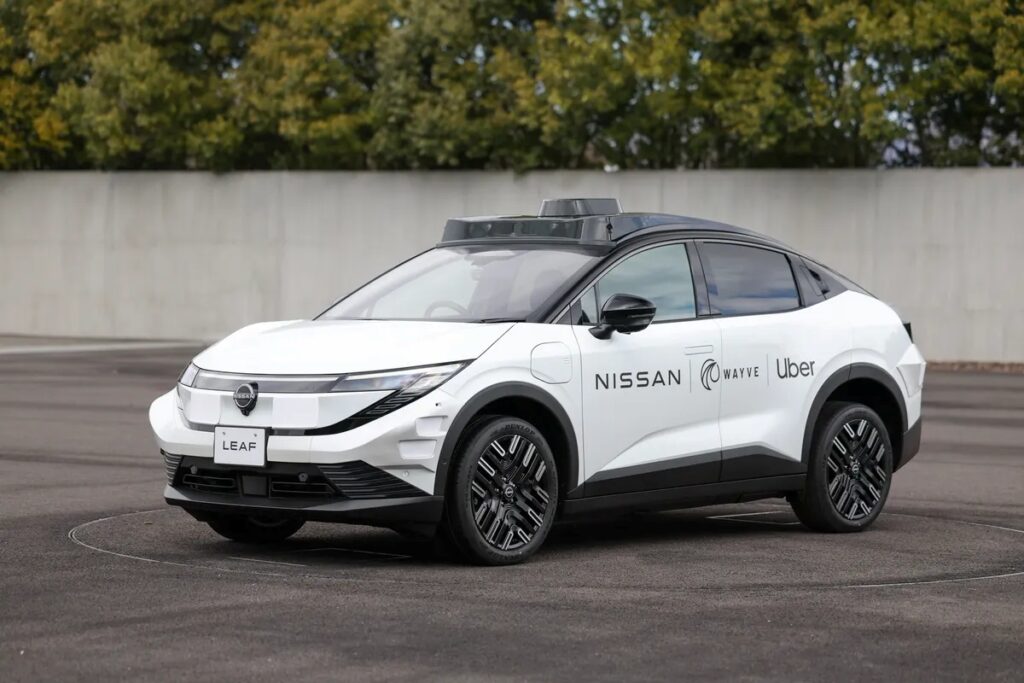
The race toward autonomous transportation is heating up, and one of the latest collaborations could reshape how people move around one of the busiest cities in the world. Ride-hailing giant Uber has partnered with Japanese automaker Nissan to launch robotaxi services in Tokyo.
The project signals a major step forward for the future of mobility, where self-driving vehicles could become a common sight on city streets. By combining Uber’s global ride-hailing platform with Nissan’s automotive expertise, the companies aim to introduce autonomous ride services that are safer, smarter, and more efficient.
Let’s break down what this partnership means, how robotaxis work, and why Tokyo might be the perfect testing ground for autonomous transportation.
A Big Step Toward Autonomous Transportation
Self-driving technology has been in development for years, but large-scale deployment has been slow. Safety concerns, regulations, and technological challenges have all played a role in slowing things down.
That’s why the partnership between Uber and Nissan is drawing attention. The companies are working together to deploy robotaxis that operate without human drivers, using advanced sensors, cameras, and artificial intelligence.
For Uber, this move helps strengthen its position in the rapidly evolving mobility industry. The company has already experimented with autonomous vehicles in the past, but teaming up with a major automaker like Nissan could accelerate real-world adoption.
Meanwhile, Nissan brings deep experience in vehicle engineering and production. The automaker has been developing autonomous driving technologies for years as part of its broader vision for future mobility.
Together, the companies hope to create a system that blends cutting-edge technology with everyday convenience.
Why Tokyo Is the Ideal City for Robotaxis
Launching robotaxis in Tokyo is not a random choice. The Japanese capital offers several advantages for autonomous transportation testing.
First, Tokyo has one of the most advanced urban infrastructures in the world. Its roads are well maintained, traffic rules are strictly followed, and digital connectivity is widespread. These factors make it easier to deploy and monitor self-driving systems.
Second, Tokyo faces transportation challenges common to large megacities. With millions of residents and tourists moving around every day, congestion and travel demand are constant issues. Autonomous ride-hailing could help ease that pressure.
Another important factor is Japan’s aging population. As the number of elderly drivers increases, mobility solutions that reduce the need for human drivers could play an important role in keeping transportation accessible.
By testing robotaxis in Tokyo, Uber and Nissan can gather valuable data in a real-world environment that includes dense traffic, pedestrians, and complex road systems.
How the Robotaxi System Will Work
Here’s how a typical ride could work:
-
Request a ride through the Uber app
Users open the Uber app and select a robotaxi option, similar to choosing a standard ride today. -
Autonomous vehicle arrives
A nearby self-driving Nissan vehicle is dispatched to the passenger’s location. -
Sensors guide the journey
The vehicle uses cameras, radar, and lidar sensors to navigate traffic and avoid obstacles. -
AI-powered driving decisions
Artificial intelligence analyzes road conditions and makes real-time driving decisions. -
Passenger reaches destination
Once the ride ends, the vehicle becomes available for the next passenger.
In early stages, safety operators may still be present to monitor the system and intervene if needed. Over time, the goal is to remove the human driver entirely.
The Technology Behind Robotaxis
Autonomous vehicles rely on a combination of hardware and software working together.
Some of the key technologies include:
1. LiDAR and Sensors
These devices create a detailed 3D map of the environment around the vehicle.
2. Artificial Intelligence
Machine learning systems process sensor data and help the vehicle understand traffic patterns.
3. High-Precision Mapping
Autonomous vehicles rely on highly detailed maps to navigate complex urban environments.
4. Vehicle-to-Cloud Communication
Cars can connect to cloud systems for updates, traffic information, and fleet coordination.
Nissan’s expertise in automotive manufacturing combined with Uber’s software platform could help integrate these technologies into a seamless mobility service.
Competition in the Robotaxi Race
Uber and Nissan are not the only players trying to bring robotaxis to the streets.
Several tech and automotive companies are also racing to deploy autonomous ride services.
For example, Waymo has already launched robotaxi services in parts of the United States. Meanwhile, Tesla continues to push forward with its Full Self-Driving technology.
In China, companies like Baidu are also developing autonomous ride-hailing services through their Apollo platform.
This growing competition is pushing companies to innovate faster and prove that their systems are safe enough for everyday use.
Challenges That Still Need to Be Solved
Even with major progress in autonomous technology, several challenges remain.
Safety and reliability are still the biggest concerns. Self-driving systems must handle unpredictable scenarios like sudden pedestrian crossings or unusual road conditions.
Regulations also vary widely between countries. Governments need to create policies that ensure safety while allowing innovation to continue.
Another issue is public trust. Many people are still hesitant to ride in a vehicle without a human driver. Successful pilot programs and strong safety records will be essential to gaining widespread acceptance.
For Uber and Nissan, the Tokyo robotaxi initiative will likely serve as a testing ground to address these challenges.
What This Means for the Future of Mobility
The partnership between Uber and Nissan could mark a turning point in how urban transportation evolves.
If the Tokyo robotaxi program succeeds, it could lead to wider adoption of autonomous ride-hailing in other cities around the world.
Potential benefits include:
-
Reduced traffic congestion
-
Lower transportation costs
-
Improved road safety
-
Greater mobility for elderly and disabled passengers
-
More efficient urban transportation systems
Robotaxis could also change how people think about car ownership. Instead of owning a vehicle, many people might rely on autonomous ride services whenever they need to travel.
Final Thoughts
The collaboration between Uber and Nissan shows that the future of transportation is moving closer to reality. By bringing robotaxi services to Tokyo, the companies are testing a new model of mobility that could transform how cities operate.
While challenges remain, the combination of advanced technology, strong partnerships, and real-world testing is helping autonomous vehicles move from concept to everyday use.
If the project succeeds, robotaxis might soon become a normal part of urban life, not just in Tokyo but across the globe. And for millions of people navigating busy cities every day, that could mean safer, smarter, and more convenient transportation.