
Sea to Summit Ultralight XR Review: Lightweight Sleeping Pad for Backpacking
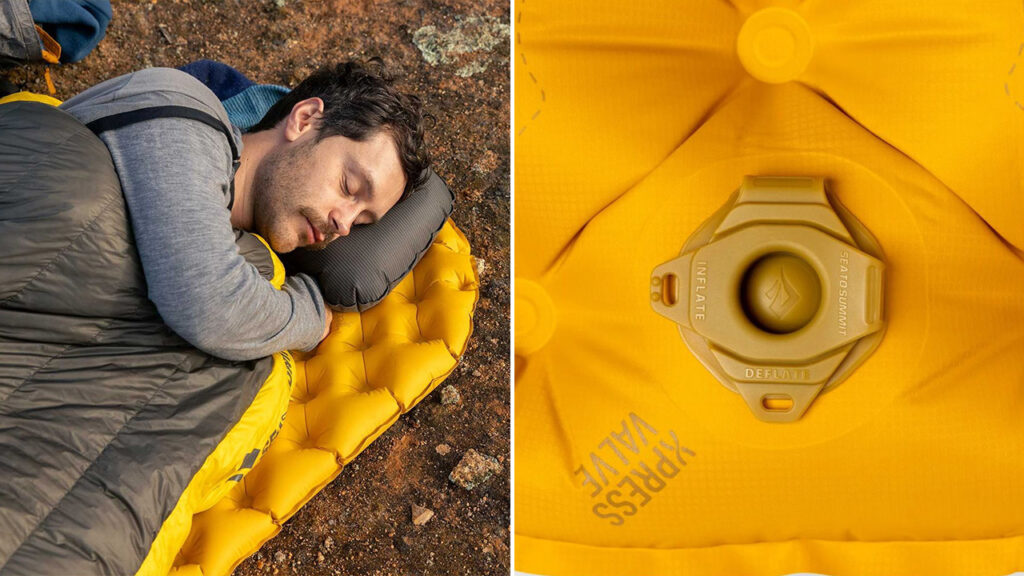
When you’re backpacking, every gram matters. Your pack already feels heavy enough, so the last thing you want is bulky or unnecessary gear. That’s where the Sea to Summit Ultralight XR sleeping pad comes in. It’s designed for hikers and backpackers who want comfort at night without carrying extra weight during the day.
In this review, we’ll break down what makes the Sea to Summit Ultralight XR special, how it performs on the trail, and whether it’s worth adding to your backpacking setup.
What Is the Sea to Summit Ultralight XR?
The Sea to Summit Ultralight XR is a lightweight inflatable sleeping pad made specifically for backpacking and fast-and-light adventures. It sits between minimalist foam pads and heavier insulated air mats.
The goal here is simple: give you enough comfort and insulation for three-season use while keeping weight and packed size to a minimum.
For hikers who value efficiency, this sleeping pad checks a lot of boxes.
First Impressions and Build Quality
Right out of the stuff sack, the Ultralight XR feels well made. The fabric is thin but not fragile. Sea to Summit uses durable materials that balance weight and strength nicely.
The pad inflates into a slightly textured surface, which helps keep your sleeping bag from sliding around at night. Stitching and seams feel solid, and the overall construction inspires confidence, especially for long trips.
Despite its light weight, it doesn’t feel like a “disposable” piece of gear.
Weight and Packed Size
One of the biggest selling points of the Sea to Summit Ultralight XR is its weight. It’s impressively light for an inflatable pad with decent insulation.
When packed, it takes up very little space in your backpack. This is ideal for multi-day hikes where room is limited and organization matters.
If you’re upgrading from a bulky foam pad or an older inflatable model, the difference is noticeable right away.
Comfort on the Trail
Comfort is where many ultralight pads struggle. Thankfully, the Ultralight XR performs well here.
The air cell design spreads your weight evenly, which helps reduce pressure points. Side sleepers will appreciate the way the pad supports hips and shoulders, even though it’s not overly thick.
While it won’t feel like a luxury car camping mattress, it offers more than enough comfort for a good night’s sleep after a long day on the trail.
Thickness and Stability
The pad has enough thickness to lift you off uneven ground. Rocks, roots, and hard-packed soil feel less noticeable once you’re lying down.
It also stays stable when you move around. Some lightweight pads feel bouncy or unstable, but the Ultralight XR stays fairly quiet and controlled throughout the night.
That stability adds a lot to overall sleep quality.
Insulation and Temperature Performance
The Sea to Summit Ultralight XR is designed for three-season use. It provides enough insulation for cool nights in spring, summer, and early fall.
It performs best when paired with a good sleeping bag and proper campsite selection. While it’s not intended for winter camping, it does a solid job in mild to moderately cool conditions.
For backpackers who mostly camp above freezing, the insulation level is well balanced.
Inflation and Deflation
Inflating the Ultralight XR is quick and easy. The valve system works smoothly and allows for fast inflation without much effort.
Deflation is just as simple. The pad empties quickly and rolls up easily, which is great when you’re packing up early in the morning.
This may sound like a small detail, but after multiple days on the trail, easy setup and takedown really matter.
Durability and Trail Use
Lightweight gear always raises questions about durability. In real-world use, the Sea to Summit Ultralight XR holds up well as long as you treat it with reasonable care.
Using a groundsheet or tent floor is recommended, especially on rough terrain. With proper use, punctures are unlikely, and the material feels more durable than it looks.
For thru-hikers and frequent backpackers, this balance between weight and durability is key.
Noise Level During Sleep
Some inflatable sleeping pads are known for being noisy, especially when you shift positions at night. Thankfully, the Ultralight XR stays relatively quiet.
It doesn’t crinkle loudly, and movement sounds are minimal. This makes a big difference if you’re a light sleeper or sharing a tent with someone else.
Who Is This Sleeping Pad For?
The Sea to Summit Ultralight XR is best suited for backpackers who prioritize weight savings but still want decent comfort.
It’s ideal for:
-
Thru-hikers and long-distance backpackers
-
Weekend hikers looking to reduce pack weight
-
Travelers building a minimalist backpacking kit
However, if you mostly camp in cold winter conditions or want maximum thickness, you may want a more heavily insulated pad.
How It Compares to Other Ultralight Pads
Compared to basic foam pads, the Ultralight XR offers much better comfort and packability. Compared to heavier inflatable pads, it saves weight without sacrificing too much warmth.
It sits in a sweet spot for hikers who want efficiency without going full minimalist.
Sea to Summit’s attention to detail gives it an edge over many budget options in the same category.
Price and Value
The Sea to Summit Ultralight XR is not the cheapest sleeping pad on the market. However, the price reflects its build quality, thoughtful design, and strong performance.
For backpackers who spend a lot of nights outdoors, the investment makes sense. Comfort and rest are important, especially on long trips.
In terms of value, it delivers exactly what it promises.
Final Verdict
The Sea to Summit Ultralight XR is a solid choice for backpackers who want a lightweight, reliable sleeping pad without sacrificing sleep quality.
It’s comfortable enough for most three-season trips, packs down small, and feels well made. While it’s not designed for extreme cold, it excels in the conditions it was built for.
If you’re looking to upgrade your backpacking sleep system with something lighter and more efficient, the Sea to Summit Ultralight XR is definitely worth considering.