
International Clean Energy Day: Why It Matters More Than Ever
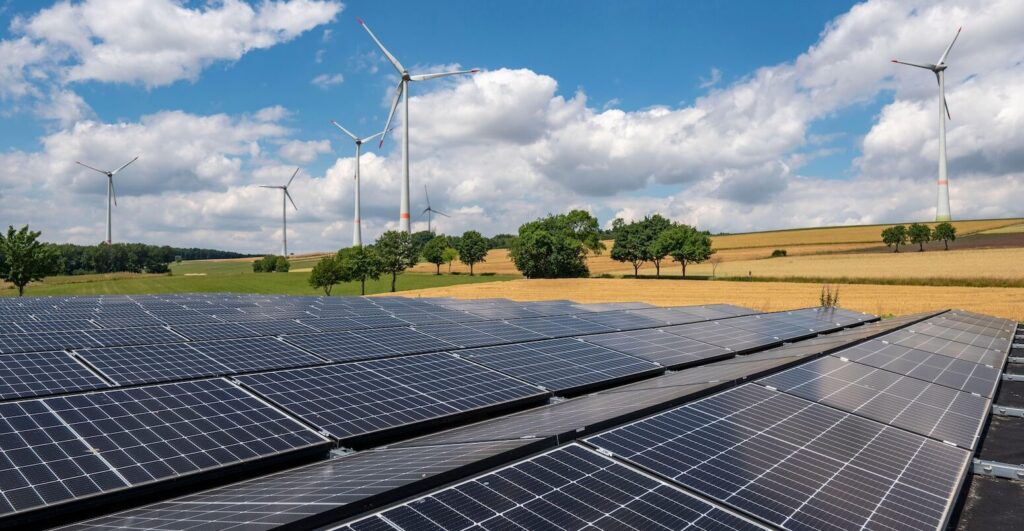
Every year, International Clean Energy Day reminds us of something that often gets ignored in our busy daily lives: the energy we use has a huge impact on the planet and on our future. Celebrated on January 26, this day was officially recognized by the United Nations to raise awareness about the importance of clean, affordable, and sustainable energy for everyone.
At first glance, energy might sound like a technical or boring topic. Power plants, solar panels, wind turbines—these things don’t always feel connected to our everyday lives. But the truth is, energy is behind almost everything we do. From charging our phones and laptops to cooking food, traveling, and even accessing the internet, energy plays a central role. That’s why switching to clean energy isn’t just an environmental issue—it’s a social, economic, and even personal one.
What Is Clean Energy?
Clean energy refers to energy sources that produce little to no pollution and do not release large amounts of greenhouse gases into the atmosphere. Some of the most common examples include solar power, wind energy, hydropower, geothermal energy, and bioenergy. Unlike fossil fuels such as coal, oil, and gas, these sources are renewable, meaning they won’t run out anytime soon.
Fossil fuels have powered the world for over a century, but they come with a heavy cost. Air pollution, climate change, and environmental damage are just a few of the consequences. Clean energy offers a way forward—one that allows us to meet our energy needs without destroying the planet in the process.
Why the World Needs Clean Energy
One of the biggest reasons International Clean Energy Day is so important is climate change. Rising global temperatures, extreme weather events, melting ice caps, and rising sea levels are no longer distant threats—they’re happening right now. A major cause of climate change is the burning of fossil fuels for energy.
By transitioning to clean energy, we can significantly reduce carbon emissions. This doesn’t mean the change will happen overnight, but every step matters. Even small shifts, like using solar-powered lighting or supporting renewable energy policies, can make a difference over time.
Another key issue is energy access. Believe it or not, millions of people around the world still don’t have reliable access to electricity. Clean energy, especially solar and wind, can be a game-changer for remote and rural areas. These technologies can provide power without the need for massive infrastructure, helping communities improve education, healthcare, and economic opportunities.
Clean Energy and Everyday Life
Clean energy isn’t just something governments and big companies deal with—it’s becoming more present in everyday life. Solar panels on rooftops, electric vehicles, energy-efficient appliances, and even phone chargers powered by the sun are becoming more common.
Many people are switching to clean energy not only because it’s better for the environment, but also because it makes economic sense. The cost of renewable energy technologies has dropped significantly in recent years. In many places, solar and wind energy are now cheaper than traditional fossil fuels. This means cleaner energy and lower bills—a win-win situation.
The Role of Young People and Communities
Young people play a huge role in pushing the clean energy movement forward. From climate strikes to innovative startups, the younger generation is demanding a future that’s sustainable and fair. International Clean Energy Day is a great opportunity for students, activists, and communities to learn, share ideas, and take action.
Community-based clean energy projects are also gaining popularity. These projects allow neighborhoods or villages to produce their own energy, reducing dependence on large power companies. More importantly, they empower people to take control of their energy choices.
Challenges on the Road to Clean Energy
Of course, the transition to clean energy isn’t without challenges. Some countries still rely heavily on fossil fuels for jobs and economic stability. Switching energy systems requires investment, planning, and political will. There are also technical challenges, such as storing renewable energy and maintaining stable power supplies.
However, these challenges are not reasons to stop—they’re reasons to innovate. Advances in battery technology, smart grids, and energy storage are already helping to solve many of these problems. With continued effort and cooperation, clean energy can become the global standard rather than the exception.
Why International Clean Energy Day Matters
International Clean Energy Day is not just about celebrating technology or policies. It’s about raising awareness and inspiring action. It encourages governments to invest in renewable energy, companies to adopt sustainable practices, and individuals to think more carefully about how they use energy.
This day also reminds us that clean energy is closely linked to the United Nations Sustainable Development Goals, especially the goal of ensuring access to affordable, reliable, sustainable, and modern energy for all. Clean energy supports better health, economic growth, education, and environmental protection.
What Can We Do?
You don’t need to be a scientist or a politician to support clean energy. Simple actions can have a real impact. Turning off unused lights, choosing energy-efficient appliances, supporting renewable energy programs, or even spreading awareness on social media are all meaningful steps.
Learning more about where your energy comes from is also important. When people understand the consequences of their choices, they’re more likely to make better ones. International Clean Energy Day is a perfect moment to start that conversation.
Looking Ahead
The future of energy is clean, whether we like it or not. The question is not if the world will transition to clean energy, but how fast and how fairly it will happen. International Clean Energy Day reminds us that the choices we make today will shape the world we live in tomorrow.
By supporting clean energy, we’re not just protecting the environment—we’re investing in a healthier, more equal, and more sustainable future for everyone. And that’s something worth celebrating, not just on January 26, but every single day.