
Emotional Light Sculptures: A New Era of Art and Technology
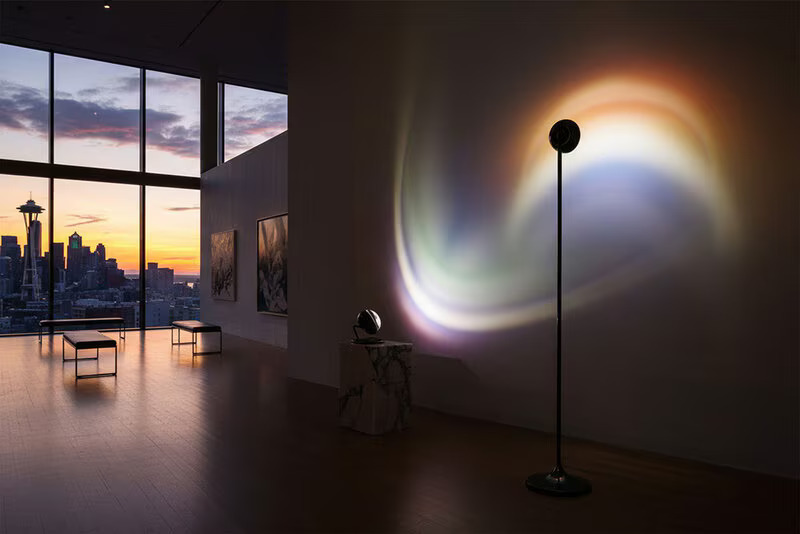
In the world of modern art, boundaries are constantly being pushed, and artists are blending technology and emotion in ways that we never thought possible. One of the most exciting innovations in this space is Emotional Light Sculptures. These artworks combine light, sculpture, and technology to create pieces that not only engage the eye but also touch the heart.
But what exactly are Emotional Light Sculptures, and why are they making such a huge impact in the art world? Let’s dive into it.
What Are Emotional Light Sculptures?
At its core, Emotional Light Sculptures are a fusion of physical sculptures and dynamic light displays, designed to evoke emotional responses from viewers. These sculptures use light, color, and sometimes even sound or motion, to express feelings, moods, or concepts in a visual form. The twist here is that these sculptures aren’t static—they can change in real-time based on environmental factors, like the viewer’s proximity or emotional state.
The goal is simple: create an immersive experience that mirrors human emotions or reflects the energy around the artwork. Think of them as living sculptures that respond to the viewer, creating an ever-evolving emotional connection between art and observer.
How Do Emotional Light Sculptures Work?
The technology behind Emotional Light Sculptures is fascinating. These artworks typically use LED lights, sensors, and motion detection systems to interact with their environment. Here’s how they work:
-
Sensors and Interactivity: Many of these sculptures are embedded with sensors that detect movement, changes in temperature, or even the viewer’s emotions. As a person approaches, the light might change color or intensity, responding to their presence.
-
Color and Light Effects: Color plays a huge role in these sculptures. Different colors are associated with various emotions—red for passion, blue for calm, yellow for happiness, and so on. The lights can shift between these hues, creating an emotional atmosphere.
-
Sound and Motion: Some sculptures incorporate sound or motion elements, adding another layer of sensory interaction. Imagine a light sculpture that also changes the music playing based on the time of day or the viewer’s interactions.
-
Artificial Intelligence: In some cases, AI is used to analyze the mood of the space or even the viewers, and the artwork responds accordingly. For example, a sculpture might become more vibrant in an energetic, busy environment and calm down in a quieter, more serene one.
Why Are Emotional Light Sculptures So Popular?
The concept of Emotional Light Sculptures resonates with people on a deeper level. Here’s why:
1. Engagement with the Viewer
Unlike traditional art, which can often be passive, Emotional Light Sculptures invite interaction. They engage the viewer, making them part of the experience. You aren’t just observing the art; you’re becoming a part of it. This personal engagement creates a stronger emotional connection.
2. A Fusion of Technology and Emotion
We live in a world where technology is a major part of our lives, but it often feels disconnected from our emotions. Emotional Light Sculptures are a beautiful blend of art and tech, offering a new way to connect with our feelings while also marveling at cutting-edge technology. They prove that art and technology don’t have to be separate—they can work together to create something extraordinary.
3. Creating a New Form of Expression
Art has always been a way for artists to express their inner thoughts and emotions. Emotional Light Sculptures take this a step further by allowing the artwork itself to express emotion through its form and interaction with the environment. This opens up new possibilities for emotional expression that weren’t available before.
The Impact of Emotional Light Sculptures in Modern Art
Emotional Light Sculptures are challenging traditional boundaries in art, and their impact is being felt across the art world. Here’s how they are shaping the future:
1. Making Art More Accessible
In the past, art was often seen as something that only the elite or educated could appreciate. Emotional Light Sculptures, with their interactive nature, break this barrier. They make art more approachable and inclusive, inviting everyone, regardless of background, to experience and appreciate the emotional depth of the piece.
2. Blurring the Line Between Art and Technology
These sculptures are proving that technology doesn’t have to be cold and impersonal. When combined with emotional expression, technology can create something deeply human. This fusion of art and technology is challenging the traditional notions of what art can be and expanding the possibilities for future artistic expressions.
3. Enhancing Public Spaces
Emotional Light Sculptures are not just for galleries or private collections—they are increasingly being used in public spaces like parks, museums, and even city streets. By incorporating these sculptures into everyday environments, artists are transforming public spaces into living, breathing works of art that engage and inspire the people around them.
The Future of Emotional Light Sculptures
The future of Emotional Light Sculptures is bright (pun intended!). As technology continues to advance, the possibilities for these pieces of art are limitless. Here are a few trends we might see in the coming years:
-
More Advanced AI Integration: As artificial intelligence becomes more sophisticated, we could see Emotional Light Sculptures that react not only to physical movements but also to emotional responses in real time, creating a more immersive experience.
-
Collaboration with Virtual Reality: Imagine an emotional light sculpture that can be experienced in virtual reality, where the user’s emotions and actions directly influence the artwork. This could take the interactive experience to a whole new level.
-
Personalized Art: In the future, we might see sculptures that adapt to individuals’ preferences or moods, offering a truly personalized art experience that feels unique to every viewer.
Conclusion: The Emotional Power of Light
Emotional Light Sculptures are more than just pretty pictures made from light. They’re dynamic, interactive pieces of art that connect with viewers on an emotional level. By merging technology with human emotion, these sculptures offer a fresh take on how art can be experienced. As technology continues to evolve, it’s exciting to think about how emotional art will continue to shape our world.
So, the next time you see an Emotional Light Sculpture, don’t just look at it—feel it. It’s not just about what you see; it’s about what you experience.