
AP Design House Creates Relaxed Taverna Interior in Sydney
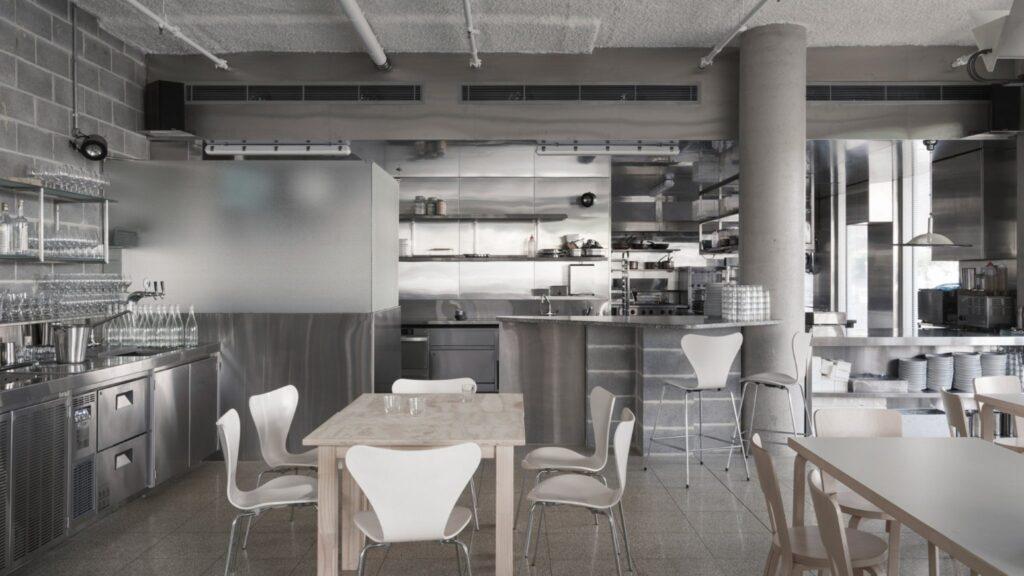
Restaurants are not just about food anymore. The atmosphere, materials, lighting, and layout all play a big role in shaping the overall dining experience. That’s exactly what AP Design House focused on when creating a relaxed taverna interior in Sydney. Instead of going for a flashy or overly modern design, the studio chose a calm, warm approach that feels welcoming and timeless.
The result is a space that feels like a Mediterranean escape right in the middle of Sydney. Through thoughtful material choices, soft lighting, and a balanced layout, AP Design House managed to capture the spirit of a traditional taverna while keeping the space contemporary.
In this article, we’ll explore how AP Design House’s taverna interior in Sydney combines hospitality design, Mediterranean inspiration, and modern simplicity.
A Taverna Concept That Feels Relaxed and Authentic
When designing hospitality spaces, authenticity matters. Guests can usually tell when a place feels forced or overly themed. Instead of copying Mediterranean restaurants literally, AP Design House focused on creating an atmosphere that feels natural and relaxed.
The idea behind the project was simple: build a space where people can slow down, share food, and enjoy long conversations. That’s the essence of a traditional taverna.
To achieve this, the designers avoided heavy decoration or dramatic statements. Instead, they leaned into subtle textures and warm tones that naturally create comfort.
Some key elements of the concept include:
-
earthy materials like wood and stone
-
warm neutral color palettes
-
natural lighting and soft ambient lighting
-
simple furniture with organic shapes
These choices help the restaurant feel calm rather than busy. It’s the kind of space where guests can stay longer without feeling overwhelmed by the environment.
Mediterranean Influence Meets Sydney Lifestyle
The AP Design House taverna interior in Sydney draws inspiration from Mediterranean dining culture, but it’s carefully adapted to the Australian context.
Sydney’s dining scene is known for its relaxed yet stylish approach. People enjoy casual spaces that still feel thoughtfully designed. Because of that, the interior blends Mediterranean charm with modern hospitality design.
Instead of traditional blue-and-white Greek palettes, the designers used softer neutral tones. Warm beige walls, natural timber surfaces, and textured plaster finishes create a subtle Mediterranean mood without feeling like a theme park version of a Greek taverna.
This approach keeps the design fresh and relevant while still referencing its cultural roots.
The result is a space that feels both familiar and unique. Locals can recognize the relaxed Sydney vibe while also experiencing the warmth of Mediterranean dining culture.
Materials That Bring Warmth to the Interior
Material selection plays a huge role in the AP Design House taverna interior in Sydney.
Rather than using glossy or highly polished surfaces, the designers focused on materials that feel tactile and natural. These surfaces age well and add character over time.
Some of the most noticeable materials in the space include:
-
textured plaster walls
-
natural wood furniture
-
stone or terrazzo tabletops
-
ceramic elements
-
soft fabric seating
These materials create layers of texture throughout the restaurant. When combined with warm lighting, the environment feels comfortable and inviting.
Another benefit of these materials is durability. Restaurants need interiors that can handle daily use without losing their charm. Natural materials often perform well in hospitality settings because they develop patina rather than looking worn out.
Lighting That Enhances the Dining Experience
Lighting is one of the most important elements in restaurant design. Too bright, and the space feels cold. Too dark, and it becomes uncomfortable.
In the AP Design House taverna interior in Sydney, lighting is used carefully to support the relaxed mood of the space.
The designers combine several lighting layers, including:
-
soft overhead lighting
-
warm pendant lights above tables
-
subtle wall lighting
-
natural daylight from windows
This layered approach creates a balanced atmosphere throughout the day. During daytime hours, natural light fills the space and highlights the textures of the materials.
At night, warm artificial lighting takes over and transforms the restaurant into a cozy evening destination.
The goal is simple: make guests feel comfortable enough to stay longer, enjoy their meals, and come back again.
Furniture That Encourages Social Dining
A taverna is all about shared experiences. People gather around tables, share dishes, and enjoy conversations that can last for hours.
Because of this, furniture selection was a key part of the design strategy.
The AP Design House taverna interior in Sydney includes a mix of seating options that support both small groups and larger gatherings.
Examples include:
-
communal dining tables
-
smaller two-person tables
-
relaxed bench seating
-
lightweight wooden chairs
This flexible layout allows the restaurant to adapt to different dining situations.
Groups of friends can gather around larger tables, while couples can enjoy more intimate seating arrangements. The mix of seating styles also helps the space feel more dynamic and less rigid.
The Importance of Spatial Flow
Another strength of the design is how the space flows naturally from one area to another.
Restaurants need to balance several functional needs: customer seating, staff movement, kitchen access, and service efficiency. When the layout is poorly planned, the dining experience can feel chaotic.
In this project, AP Design House carefully organized the spatial layout so that guests feel comfortable while staff can move easily.
The layout likely considers:
-
clear walking paths
-
efficient table spacing
-
visual connections across the room
-
natural transitions between zones
This thoughtful planning helps the restaurant feel open and relaxed instead of crowded.
Good spatial flow also makes the environment feel more welcoming. Guests can easily find their seats, move around, and interact with others without obstacles.
A Minimalist Approach That Feels Timeless
One of the most interesting aspects of the AP Design House taverna interior in Sydney is its restrained design language.
Instead of filling the restaurant with decorative objects, the designers kept things simple. The focus stays on materials, proportions, and atmosphere.
This minimalist approach has several advantages:
-
the space feels calm and uncluttered
-
the design ages better over time
-
the interior does not compete with the food
Restaurants often change menus, branding, or layout over time. A flexible design makes it easier to adapt without requiring a full renovation.
By avoiding overly trendy elements, AP Design House created a restaurant interior that can stay relevant for years.
Why Hospitality Design Matters More Than Ever
The AP Design House taverna interior in Sydney shows how thoughtful design can elevate a dining experience.
Today, restaurants compete not only through food but also through atmosphere. People want places where they can relax, socialize, and share memorable moments.
A well-designed interior can influence how long guests stay, how they feel in the space, and even how they remember the restaurant afterward.
In many ways, interior design becomes part of the storytelling of a restaurant.
Final Thoughts
The AP Design House taverna interior in Sydney is a great example of how hospitality design can blend cultural inspiration with modern simplicity.
By focusing on natural materials, warm lighting, and a relaxed layout, the studio created a restaurant that feels welcoming and timeless. Instead of chasing trends, the design celebrates atmosphere, comfort, and authenticity.
For diners, this means more than just a place to eat. It becomes a place to gather, talk, and enjoy the simple pleasure of sharing food.
And in today’s fast-moving world, that kind of relaxed dining environment feels more valuable than ever.