
African Clean Energy Projects: A Bright Future for Sustainability
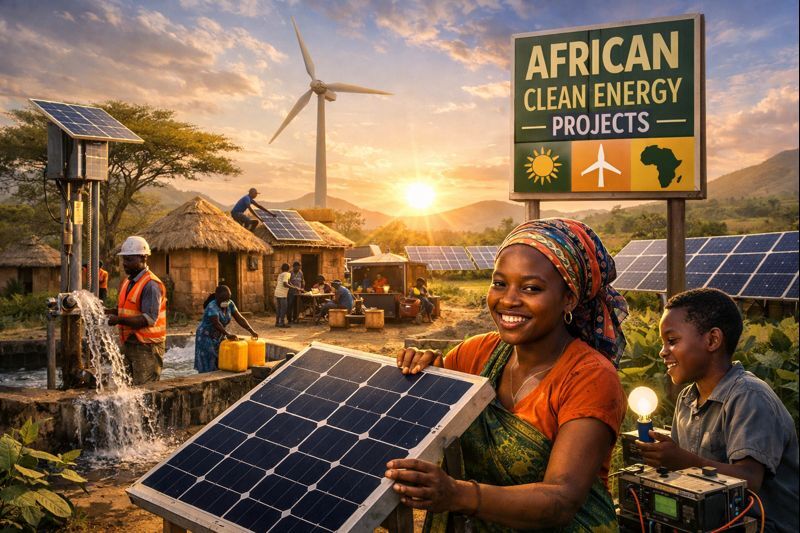
As the world faces the challenges of climate change and environmental degradation, one continent is stepping up to lead the way in sustainable energy solutions. Africa is home to some of the world’s most ambitious and exciting clean energy projects. From solar farms in the Sahara to wind turbines along the coastline, Africa is harnessing the power of natural resources to drive its energy future.
But what exactly are African clean energy projects, and how are they shaping the continent’s energy landscape? Let’s take a closer look at these groundbreaking initiatives and explore how they are transforming the future of energy in Africa.
What Are African Clean Energy Projects?
African clean energy projects are initiatives aimed at providing sustainable, renewable energy sources to power homes, businesses, and industries across the continent. Unlike traditional energy sources like coal and natural gas, which contribute to environmental pollution and climate change, clean energy relies on natural resources such as sunlight, wind, geothermal heat, and hydropower.
These projects not only help reduce Africa’s carbon footprint but also provide much-needed power to regions with limited access to reliable electricity. With more than 600 million people in Africa lacking access to electricity, clean energy solutions are critical for improving quality of life, driving economic growth, and addressing the continent’s development challenges.
Why Africa is Turning to Clean Energy
Africa is uniquely positioned to take advantage of clean energy resources. The continent is blessed with abundant sunlight, wind, and geothermal potential, making it an ideal location for renewable energy projects. Here are a few reasons why Africa is turning to clean energy:
1. Abundant Natural Resources
Africa has some of the world’s best natural resources for generating clean energy. For example, solar energy is incredibly abundant, especially in North Africa, where the Sahara Desert could power the entire continent if harnessed effectively. In addition to solar, Africa has high potential for wind and geothermal energy.
2. Growing Energy Demand
With a rapidly growing population, urbanization, and industrialization, Africa’s demand for energy is increasing fast. Traditional energy sources like coal and oil are not only harmful to the environment but also expensive and often unreliable. Clean energy offers a more sustainable and affordable alternative.
3. Climate Change and Sustainability
Africa is one of the regions most vulnerable to the impacts of climate change, from rising temperatures to extreme weather events like droughts and floods. By investing in clean energy, African countries are taking proactive steps to reduce their greenhouse gas emissions and mitigate the effects of climate change.
Leading African Clean Energy Projects
There are several standout clean energy projects across the continent that are making a significant impact on both local communities and the environment. Here are some of the most exciting and innovative projects in Africa:
1. Noor Ouarzazate Solar Complex (Morocco)
Located in the Sahara Desert, Morocco’s Noor Ouarzazate Solar Complex is one of the largest solar energy plants in the world. Once completed, it will have the capacity to produce 580 megawatts (MW) of power, enough to supply electricity to over a million people. The project is a game-changer for Morocco, which aims to generate 52% of its electricity from renewable sources by 2030.
2. Lake Turkana Wind Power Project (Kenya)
Kenya is leading the way in wind energy with its Lake Turkana Wind Power Project. Located in the northern part of Kenya, this project is Africa’s largest wind farm, consisting of 365 wind turbines. When fully operational, it will produce 310 MW of power, supplying around 15% of Kenya’s electricity needs. This project is not only helping reduce Kenya’s reliance on fossil fuels but also creating jobs and boosting local economies.
3. The Grand Ethiopian Renaissance Dam (Ethiopia)
Ethiopia’s Grand Ethiopian Renaissance Dam (GERD) is a hydropower project that aims to provide electricity to millions of Ethiopians and neighboring countries. The dam, which is located on the Blue Nile River, will have a total installed capacity of 6,450 MW—making it the largest hydropower project in Africa. The project is expected to help Ethiopia become an energy exporter in the future.
4. Solar Sister (Multiple Countries)
Solar Sister is a unique initiative that empowers women in rural Africa to become solar energy entrepreneurs. The organization helps women sell affordable, solar-powered products such as lights, stoves, and chargers. This project not only provides clean energy to off-grid communities but also supports gender equality and economic development in underserved areas.
5. South Africa’s Renewable Energy Independent Power Producer Procurement Programme (REIPPPP)
South Africa has invested heavily in renewable energy through its REIPPPP, a program that aims to attract private investment in renewable energy projects. The program has already led to the development of several large-scale wind and solar projects across the country, helping South Africa diversify its energy mix and reduce its dependence on coal.
The Impact of Clean Energy in Africa
The positive effects of clean energy projects in Africa go beyond just providing power. Here’s how they are making a difference:
1. Job Creation
Many clean energy projects are creating thousands of jobs for local communities. From construction and installation to maintenance and operation, the renewable energy sector is helping to provide sustainable employment opportunities in both urban and rural areas.
2. Improved Access to Electricity
One of the biggest challenges in Africa is access to reliable electricity. Clean energy projects, especially solar and wind, are bringing power to remote areas that are off the grid. This has a profound impact on daily life, enabling children to study at night, businesses to operate more efficiently, and health services to run smoothly.
3. Economic Growth
Clean energy is helping to boost economic growth across Africa. By reducing energy costs and increasing access to power, these projects enable businesses to thrive, especially small and medium enterprises (SMEs). Furthermore, clean energy projects attract foreign investment and stimulate the local economy.
4. Environmental Benefits
The shift towards clean energy helps reduce carbon emissions, which is vital in the fight against climate change. As African countries continue to develop, the adoption of renewable energy ensures that they can grow economically while also protecting the environment for future generations.
Challenges and the Road Ahead
While the progress in Africa’s clean energy sector is impressive, there are still challenges to overcome:
-
Funding and Investment: Many clean energy projects in Africa require significant upfront investment. While the continent is seeing increased investment, securing funding remains a challenge, particularly for smaller projects.
-
Infrastructure: The lack of infrastructure in many parts of Africa can make it difficult to implement renewable energy solutions. Improving grid systems and storage capabilities is essential for maximizing the potential of clean energy.
-
Policy and Regulation: Some countries still face challenges with policy and regulatory frameworks that support renewable energy development. Strengthening policies and creating supportive regulations will be crucial in accelerating clean energy adoption.
Despite these challenges, the future looks bright for Africa’s clean energy sector. With the right investments, partnerships, and policies in place, Africa has the potential to become a global leader in sustainable energy.
Conclusion
African clean energy projects are transforming the way the continent powers its future. With vast resources in solar, wind, and hydropower, Africa is well-positioned to harness renewable energy to meet its growing demand. These projects not only help tackle climate change but also drive economic development, create jobs, and improve the quality of life for millions of people.
As Africa continues to invest in clean energy, the world will be watching. The progress being made in Africa’s energy sector is setting an example for other regions, proving that sustainability and economic growth can go hand in hand.