
Acoustic Nordic Offices: The Perfect Blend of Sound and Style
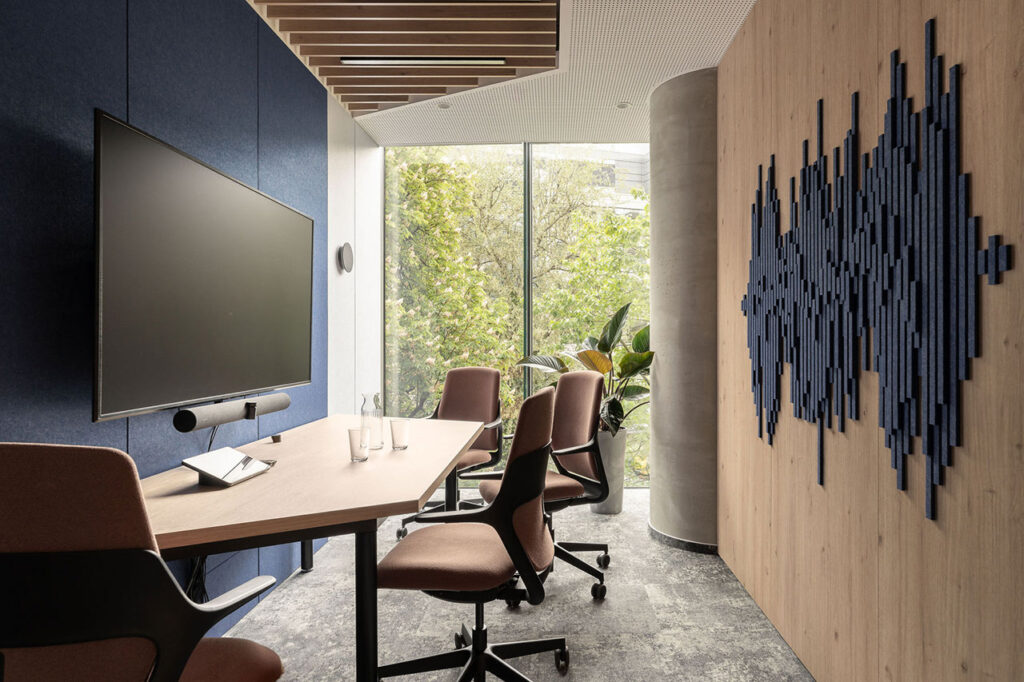
In the world of modern office design, creating an environment that promotes focus, creativity, and collaboration is more important than ever. And when it comes to achieving the perfect balance of comfort, design, and acoustics, Acoustic Nordic Offices are leading the way. But what exactly makes these offices so special? Let’s dive into the concept and explore how these sound-friendly, stylish spaces are changing the way we work.
What Are Acoustic Nordic Offices?
An Acoustic Nordic Office is an office design that takes inspiration from the Nordic countries—think Denmark, Sweden, Norway, and Finland—and combines it with a focus on sound management. These offices are not just about how they look. Instead, they also prioritize sound quality to ensure a comfortable and productive working environment.
The key feature of Acoustic Nordic Offices is the integration of acoustic materials and design elements that reduce noise levels and improve sound clarity. For instance, from soundproof walls and acoustic panels to soft furnishings and natural materials, these offices are built with sound in mind. This helps create spaces that help employees focus without distractions.
Why Sound Matters in Office Design
Before diving deeper into what makes Acoustic Nordic Offices stand out, it’s important to understand why acoustic design is so crucial in modern offices.
In any workspace, noise is inevitable. Whether it’s the hum of air conditioning, the chatter of coworkers, or the sound of a phone ringing, noise can create distractions that lower productivity and focus. For example, studies have shown that excessive noise can lead to stress, fatigue, and reduced job satisfaction.
That’s where acoustic design comes in. By addressing these noise challenges, Acoustic Nordic Offices create environments that encourage concentration, creativity, and collaboration. With the right acoustics, employees can focus on their tasks without being disturbed by unwanted sounds. As a result, this can lead to higher work quality and overall happiness.
Key Features of Acoustic Nordic Offices
Now that we understand why acoustics are so important, let’s take a look at the key features that define Acoustic Nordic Offices.
1. Natural Materials
Incorporating natural materials is a hallmark of Nordic design, and it plays a significant role in improving the acoustics of a space. For example, materials like wood, stone, and wool are used in both furniture and structural elements to help absorb sound. Wood, for example, is known for its ability to dampen high-frequency sounds. Therefore, it is ideal for creating a quieter environment.
Not only do these materials improve acoustics, but they also bring the beauty of nature into the office. This creates a calm and inviting atmosphere.
2. Acoustic Panels and Baffles
One of the most effective ways to control sound in an office is by using acoustic panels and baffles. These are often installed on walls or ceilings to absorb sound and reduce echo. Additionally, acoustic panels come in a variety of shapes and sizes and can be designed to match the overall aesthetic of the office.
In Acoustic Nordic Offices, you’ll often find wooden acoustic panels or fabric-covered panels that blend seamlessly with the space. These panels don’t just improve acoustics—they also add an element of design to the office.
3. Soft Furnishings and Textiles
Soft furnishings like cushioned chairs, sofas, and carpets play a key role in controlling sound in the office. In Nordic design, soft furnishings are used to create a cozy and inviting atmosphere, but they also help to absorb sound and reduce noise levels.
Textiles like wool, linen, and felt are commonly used in the design of Acoustic Nordic Offices because they are both sound-absorbing and aesthetically pleasing. For instance, whether it’s a woolen chair, a felt-covered desk divider, or a soft rug on the floor, these textiles contribute to both the acoustic and visual comfort of the space.
4. Open Floor Plans with Zones
Another feature of Acoustic Nordic Offices is the use of open floor plans that are broken up into different functional zones. This layout allows for collaborative spaces, quiet zones, and meeting areas. Each is designed with acoustics in mind.
In the collaborative zones, you might find larger tables with acoustic barriers or privacy screens that help separate workspaces. In quieter zones, the focus is on creating a space where employees can work alone or take calls without disturbing others. These zones are carefully designed to maintain an open, airy feel. At the same time, they still keep sound under control.
5. Greenery and Biophilic Design
Incorporating greenery is another important aspect of Nordic office design, and it has a functional role in acoustics as well. Plants not only help improve air quality and reduce stress—they can also act as sound absorbers.
Adding green walls, indoor plants, and even living moss panels helps break up sound and reduce reverberations in the space. The connection to nature also enhances the overall atmosphere, contributing to employee well-being and productivity.
Benefits of Acoustic Nordic Offices
So, why should companies consider adopting this style of office design? Here are a few key benefits:
1. Enhanced Productivity
With reduced distractions from excessive noise, employees are better able to concentrate and focus on their tasks. Whether it’s a quiet zone for deep work or a collaborative space for brainstorming, Acoustic Nordic Offices promote productivity. They do this by creating environments where people can do their best work.
2. Improved Well-Being
A quieter, more comfortable office environment leads to better employee well-being. The combination of natural materials, soft furnishings, and acoustic control helps reduce stress and fatigue. Consequently, this makes employees feel more relaxed and engaged.
3. Creative Collaboration
In an Acoustic Nordic Office, collaboration doesn’t have to mean noise and chaos. By using soundproof partitions, acoustic panels, and well-designed meeting spaces, teams can work together in a way that encourages creativity. They can do this without feeling overwhelmed by noise.
4. Sustainability
Nordic design is also known for its focus on sustainability, and many Acoustic Nordic Offices are built with eco-friendly materials. For example, from recycled and upcycled furniture to energy-efficient lighting and sustainable building materials, these offices are designed to reduce their environmental impact.
Final Thoughts: The Future of Office Design
As more companies embrace remote work and hybrid office models, the traditional office is evolving. Acoustic Nordic Offices offer a perfect blend of style, comfort, and functionality—all while prioritizing employee well-being and productivity. By creating spaces that manage sound effectively, these offices set a new standard for what modern workspaces can be.
As we continue to see the blending of design, technology, and employee needs in office spaces, it’s clear that Acoustic Nordic Offices are leading the way to a more thoughtful and efficient approach to workplace design.