
Snøhetta and BIG Design Landscape-Led Masterplan for Istanbul
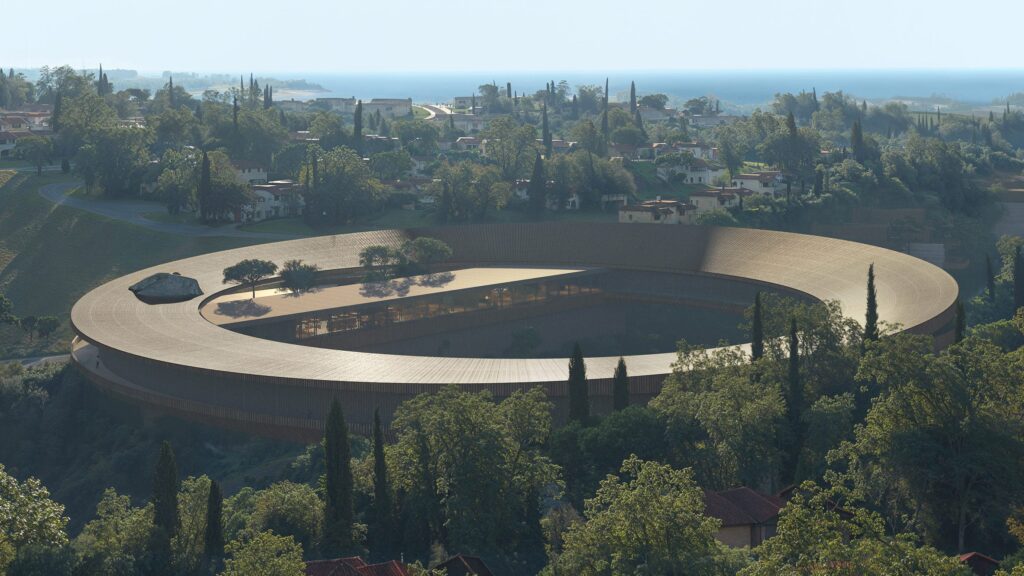
A bold new urban vision is taking shape in Turkey as architecture firms Snøhetta and BIG (Bjarke Ingels Group) collaborate on a landscape-led masterplan for Istanbul. The project focuses on integrating architecture with the surrounding natural environment, creating a design where landscape becomes the central element of the development.
Instead of designing buildings first and adding green spaces later, the masterplan flips the traditional approach. Here, the landscape leads the design, shaping how buildings, public spaces, and infrastructure are arranged across the site.
The result is a large-scale architectural concept that blends sustainability, urban living, and environmental preservation. With its striking circular structure and natural integration, the project highlights how modern architecture can work alongside nature rather than dominate it.
A Landscape-Led Vision for Istanbul
The Snøhetta and BIG Istanbul masterplan is based on the idea that urban environments should grow from the landscape itself.
Istanbul is known for its dramatic geography, historic layers, and coastal views. The design team wanted to create a project that respects those qualities instead of imposing a rigid urban grid.
The masterplan uses the surrounding terrain as its main guide. Natural slopes, vegetation, and views influence the layout of buildings, pathways, and gathering areas.
Key goals of the project include:
- Preserving existing green landscapes
- Creating walkable outdoor spaces
- Reducing environmental impact
- Connecting architecture with nature
This landscape-driven approach is becoming increasingly popular in modern urban planning.
The Iconic Circular Architectural Form
One of the most eye-catching elements of the project is a large circular structure integrated into the landscape.
Rather than a conventional block-shaped building, the design forms a ring that surrounds a central open space. This configuration offers several benefits.
Connection to Nature
The circular shape creates a protected courtyard filled with trees and greenery. This allows the architecture to frame nature rather than replace it.
Natural Light and Views
Because the building curves around the landscape, interior spaces can enjoy panoramic views of the surrounding hills and coastline.
Community-Oriented Spaces
The ring structure encourages movement and interaction. Public spaces, walkways, and terraces connect different parts of the development.
This type of form is becoming more common in projects focused on sustainable urban design.
Collaboration Between Snøhetta and BIG
The project brings together two globally recognized architecture firms.
Snøhetta
Snøhetta is known for its environmentally sensitive designs and projects that blend architecture with landscape.
Some of its famous works include:
- The Oslo Opera House
- The Bibliotheca Alexandrina in Egypt
- Various sustainable cultural buildings worldwide
Their approach often focuses on creating public spaces that encourage social interaction.
BIG (Bjarke Ingels Group)
BIG is widely recognized for bold architectural ideas that combine innovation with practicality.
The firm has designed major projects around the world such as:
- The VIA 57 West building in New York
- The Amager Bakke waste-to-energy plant in Copenhagen
- Various experimental urban developments
By combining BIG’s visionary design style with Snøhetta’s landscape expertise, the Istanbul masterplan aims to deliver a balanced and innovative project.
Sustainability at the Core of the Masterplan
A major focus of the Istanbul landscape-led masterplan is sustainability.
The design team integrated several environmentally friendly strategies into the project.
Green Roofs and Vegetation
Many areas of the development include planted roofs and terraces. These help regulate temperature while expanding green spaces within the site.
Natural Climate Control
By using the shape of the land and building orientation, the project maximizes natural airflow and daylight.
This reduces the need for artificial cooling and lighting.
Water Management
Landscape design also helps manage rainwater naturally through planted areas and permeable surfaces.
This approach supports the local ecosystem while reducing infrastructure strain.
Public Spaces and Community Design
Beyond architecture, the masterplan emphasizes public life and social interaction.
The design includes numerous shared spaces such as:
- Outdoor plazas
- Walking paths
- Landscaped gardens
- Cultural gathering areas
These spaces are designed to encourage residents and visitors to spend time outdoors.
The central courtyard within the circular structure acts as a community hub where people can meet, relax, or attend events.
This approach reflects a growing trend in urban design that prioritizes human experience over purely commercial development.
Integrating Architecture With the Landscape
One of the most important ideas behind the project is the seamless blending of architecture and nature.
Instead of standing above the land, the buildings follow the contours of the terrain.
This integration has several advantages.
Reduced Visual Impact
The project fits naturally within the landscape, avoiding the appearance of an oversized urban complex.
Enhanced Biodiversity
Green spaces throughout the site support plant life and local wildlife.
Improved User Experience
Residents and visitors feel more connected to nature when architecture and landscape work together.
This philosophy is increasingly important in modern city planning.
The Role of Landscape in Future Cities
The Snøhetta and BIG Istanbul masterplan reflects a broader shift in how cities are designed.
Traditional urban development often prioritized dense construction and transportation infrastructure.
However, modern planners are recognizing the importance of:
- Green spaces
- Walkability
- Environmental sustainability
- Community interaction
Landscape-led planning ensures that natural systems remain part of the city rather than being pushed aside.
Projects like this demonstrate how architecture can support healthier and more sustainable urban environments.
Why Istanbul Is a Perfect Location
Istanbul is a unique city where history, culture, and geography intersect.
Its dramatic hills, coastlines, and historic districts create a rich architectural context.
The new masterplan takes advantage of these qualities by designing spaces that highlight the surrounding scenery.
Instead of competing with the city’s historic identity, the project aims to complement it through careful landscape integration.
This approach helps ensure that new development respects Istanbul’s long architectural heritage.
Conclusion
The Snøhetta and BIG landscape-led masterplan for Istanbul represents an exciting vision for the future of urban design.
By placing landscape at the center of the planning process, the project demonstrates how architecture and nature can work together to create meaningful spaces.
The circular structure, sustainable design strategies, and emphasis on public life all contribute to a development that prioritizes environmental harmony and human experience.
As cities around the world search for better ways to grow sustainably, projects like this may serve as important examples of how thoughtful design can reshape urban living.