
Mountain Home with Cupaclad Slate Facade Features Mixed Patterns
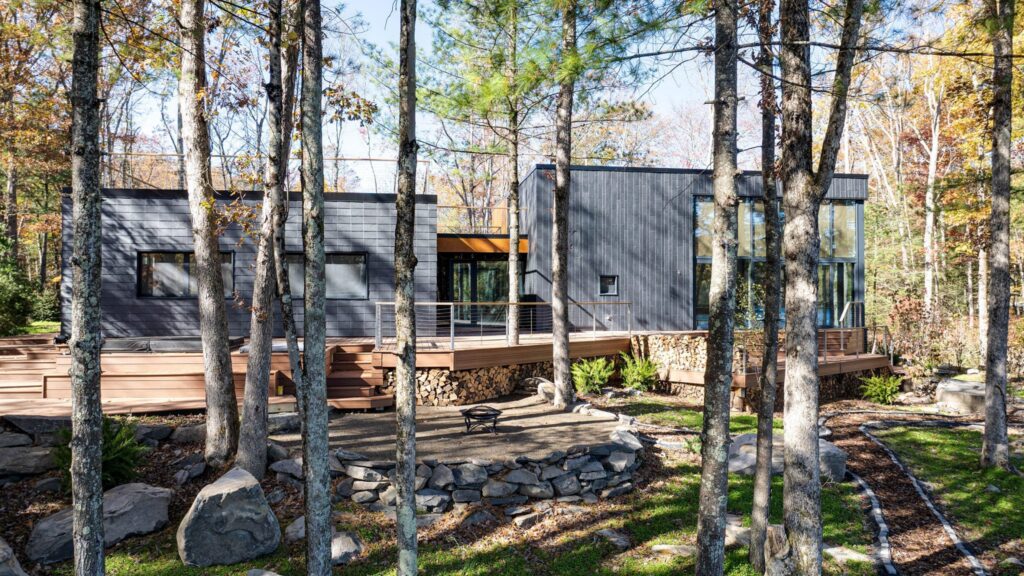
Modern mountain homes often focus on blending architecture with nature. Instead of overpowering the landscape, many designers choose materials and forms that reflect the surrounding environment. A great example of this approach is a contemporary mountain house featuring a Cupaclad slate facade with mixed patterns, creating a striking yet natural exterior.
The use of slate panels arranged in different layouts gives the home a distinctive identity while maintaining a strong connection to the mountainous setting. With its textured façade, natural materials, and modern design, the house shows how traditional stone materials can be reinterpreted in contemporary architecture.
In recent years, slate cladding systems such as Cupaclad have become popular among architects looking for durable and visually rich building envelopes.
A Mountain Home Designed to Blend with Nature
Mountain environments demand careful architectural design. Weather conditions, landscape slopes, and scenic views all play important roles when planning a home.
Instead of competing with the natural surroundings, this mountain residence embraces the environment through its choice of materials. The slate façade reflects the colors and textures commonly found in rocky landscapes.
From a distance, the house almost appears like part of the terrain itself. This approach helps the building feel grounded in its location rather than standing out in a disruptive way.
At the same time, the structure maintains a modern architectural identity with clean lines and carefully arranged volumes.
What Makes Cupaclad Slate Cladding Special?
Slate has been used in construction for centuries, especially in mountainous regions. However, modern systems like Cupaclad bring new flexibility to how slate can be applied in architecture.
Cupaclad is a natural slate cladding system designed to provide both durability and visual variety. The system allows architects to install slate panels in different patterns and configurations.
Some benefits of using Cupaclad include:
Durability
Slate is naturally resistant to extreme weather conditions, making it ideal for mountain climates.
Low maintenance
Unlike some exterior materials, slate does not require frequent repainting or treatment.
Natural appearance
The texture and color variations of slate add depth and character to building facades.
Flexible design patterns
Architects can arrange panels in creative patterns to produce unique visual effects.
These advantages make slate a popular material in contemporary architecture, especially for homes located in rugged environments.
Mixed Patterns Create a Dynamic Facade
One of the most distinctive aspects of this mountain house is the use of mixed slate patterns across the façade.
Instead of applying the panels in a uniform grid, the architects experimented with different layout styles. This creates subtle variations in texture and rhythm across the exterior surfaces.
The mixed patterns may include:
-
Horizontal arrangements
-
Vertical alignments
-
Staggered layouts
-
Alternating panel sizes
These variations add visual depth without making the building look chaotic. The patterns are carefully balanced to maintain a cohesive design.
As sunlight moves across the façade during the day, the different slate arrangements create shifting shadows and highlights. This makes the house feel alive and constantly changing depending on the light conditions.
A Modern Interpretation of Traditional Materials
Slate is often associated with traditional architecture, particularly in rural or mountainous regions. Many historic homes use slate for roofing or exterior walls.
In this mountain home, the material is reinterpreted through a modern architectural lens. The slate is applied in a more geometric and structured way, complementing the clean lines of the building.
This combination of traditional material and modern design helps bridge the gap between old and new architectural styles.
It also demonstrates how natural materials can remain relevant in contemporary design when used creatively.
Large Windows Frame the Landscape
While the slate façade provides texture and solidity, large windows introduce openness and transparency to the building.
Mountain homes often focus heavily on capturing scenic views. In this project, wide glass panels frame the surrounding forests, hills, and skies.
These windows allow natural light to enter the interior spaces while also connecting residents with the outdoors.
The contrast between solid slate walls and expansive glass surfaces creates a balanced architectural composition.
From inside the home, occupants can enjoy uninterrupted views of nature while remaining protected from the mountain climate.
Energy Efficiency and Natural Insulation
Another benefit of slate cladding is its contribution to building performance. Natural stone materials often provide excellent thermal properties.
Slate helps regulate temperature by acting as a protective outer layer for the building envelope.
Combined with modern insulation systems, the slate façade can help:
-
Reduce heat loss in colder climates
-
Protect against strong wind and moisture
-
Improve overall energy efficiency
These qualities are especially valuable in mountain regions where weather conditions can change quickly.
As sustainability becomes more important in architecture, durable natural materials like slate are gaining renewed attention.
Interior Spaces Focus on Comfort and Views
Inside the house, the design likely emphasizes open and comfortable living spaces. Modern mountain homes often prioritize a balance between luxury and relaxation.
Common interior features may include:
-
Open-plan living areas
-
Natural wood finishes
-
Stone or concrete elements
-
Large windows facing the landscape
The goal is to create interiors that feel warm and welcoming while still maintaining a contemporary aesthetic.
By combining natural materials with modern layouts, the house provides both comfort and visual sophistication.
The Growing Popularity of Slate in Contemporary Architecture
In recent years, slate has been making a comeback in modern architectural projects. Architects appreciate the material for both its aesthetic and practical qualities.
Slate offers:
-
Long lifespan
-
Unique textures
-
Natural color variations
-
Sustainability as a natural material
Systems like Cupaclad have helped modernize the way slate is installed, making it easier for architects to incorporate it into innovative building designs.
As a result, slate is no longer limited to traditional architecture. It is now widely used in contemporary residential and commercial projects.
A Perfect Balance Between Nature and Architecture
The mountain home with a Cupaclad slate façade featuring mixed patterns demonstrates how thoughtful material choices can transform a building.
Instead of relying on flashy forms or bright colors, the design uses natural textures and subtle variations to create visual interest.
The result is a home that feels connected to its environment while still showcasing modern architectural ideas.
This approach reflects a growing trend in architecture where buildings are designed not just as structures, but as part of a larger natural landscape.
Final Thoughts
This mountain home highlights the beauty and versatility of Cupaclad slate cladding in contemporary architecture. By arranging the slate panels in mixed patterns, the architects created a façade that feels both dynamic and harmonious with nature.
The combination of natural stone, modern geometry, and large windows results in a residence that is both visually striking and highly functional.
As architects continue to explore sustainable and durable materials, projects like this show how traditional elements such as slate can play a key role in shaping the future of mountain architecture.