
Seven Tactile Living Spaces That Celebrate Blockwork Walls
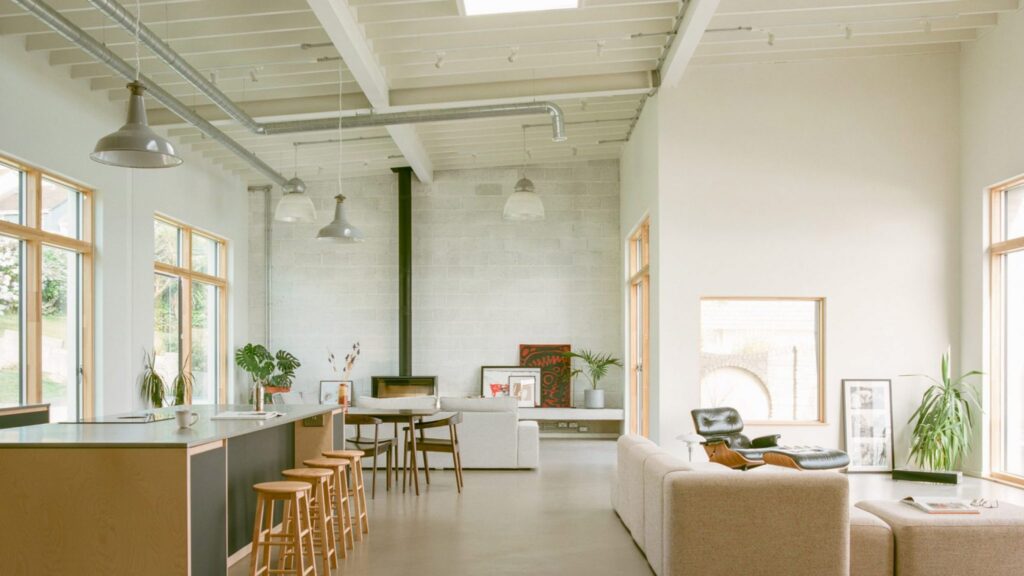
In modern residential architecture, materials often play a huge role in defining how a space feels. One material that continues to gain attention is blockwork. Instead of hiding masonry behind plaster or paint, many architects now leave the blocks exposed to highlight their natural texture.
These tactile living spaces with blockwork walls celebrate the beauty of raw construction materials. Concrete blocks, masonry bricks, and structural blocks create strong visual patterns while also adding depth and character to interiors.
Blockwork walls are not only practical. They also bring warmth, rhythm, and a sense of honesty to architecture. The natural imperfections and textures make each wall feel unique.
Across the world, architects are designing homes where blockwork becomes the main design feature. Here are seven tactile living spaces that show how exposed block walls can transform everyday interiors into something visually striking and comfortable.
1. Minimalist Living Room with Exposed Concrete Blocks
One of the most popular uses of blockwork appears in minimalist living rooms. Instead of covering the structural walls, architects leave the concrete blocks fully visible.
The texture of the blocks creates subtle shadows that shift throughout the day. When sunlight enters the room, it highlights the grooves and edges of the masonry pattern.
This simple approach makes the space feel modern and grounded at the same time.
Furniture in these spaces is usually minimal. Soft fabrics, neutral tones, and wooden pieces balance the roughness of the blockwork walls. The result is a living room that feels calm, tactile, and authentic.
2. Open Plan Living Area with Structural Block Walls
Another interesting example of tactile living spaces with blockwork walls can be found in open plan homes.
In these designs, the blockwork acts as both structure and decoration. Large open rooms combine living, dining, and kitchen areas, while exposed blocks create visual continuity across the entire space.
Architects often use large windows or sliding glass doors to soften the heavy look of masonry. Natural light becomes essential because it reveals the textures of the block surfaces.
The contrast between rough masonry and bright daylight makes the interior feel dynamic and comfortable.
3. Warm Family Room with Painted Blockwork
Blockwork does not always need to stay grey or raw. In some homes, architects paint the masonry while still keeping the texture visible.
White painted block walls are especially popular. They brighten the room while preserving the tactile surface underneath.
This technique creates a clean and modern appearance while still celebrating the structural material.
In family rooms, painted blockwork pairs well with wooden floors, soft sofas, and warm lighting. The combination creates a relaxed atmosphere that feels both modern and welcoming.
4. Industrial Style Living Space
Industrial style interiors often rely on raw materials such as steel, concrete, and exposed masonry.
Blockwork walls naturally fit into this design language.
In these living spaces, architects highlight the grid pattern of the masonry blocks. The repeating geometry adds rhythm to the room and becomes a strong visual element.
Large ceiling heights, exposed beams, and metal details often complement the blockwork surfaces.
The overall effect is bold but comfortable. It feels like a modern reinterpretation of old warehouses or factories that have been transformed into homes.
5. Tropical Living Space with Ventilated Block Walls
In warm climates, blockwork walls can also serve a practical purpose beyond aesthetics.
Some architects design perforated or ventilated block walls that allow air to move through the building. These blocks have openings that create patterns of light and shadow.
Inside the living space, the effect is beautiful.
Sunlight passes through the openings and creates changing patterns across the floor and walls. At the same time, the airflow helps keep the interior cooler.
This approach shows how blockwork can combine environmental performance with architectural beauty.
6. Cozy Reading Corner with Textured Block Walls
Blockwork can also make small living areas feel more intimate.
In cozy corners or reading spaces, exposed masonry creates a sense of enclosure and texture. Instead of flat surfaces, the blocks add depth that makes the space visually interesting.
Architects often pair blockwork walls with built in wooden shelves or simple seating.
Soft lighting placed near the wall highlights the texture and creates a warm atmosphere in the evening.
Even a small reading corner can feel special when the materials are carefully chosen.
7. Modern Living Room with Sculptural Blockwork
Some architects go further by using blockwork as a sculptural element.
Instead of standard flat walls, they arrange the blocks in creative patterns. Blocks might be rotated, recessed, or stacked in unique ways to create depth.
These sculptural walls turn ordinary masonry into architectural art.
When combined with simple furniture and neutral colors, the wall becomes the focal point of the room.
This type of design proves that even basic construction materials can produce dramatic visual results when used creatively.
Why Architects Love Blockwork Walls
There are several reasons why tactile living spaces with blockwork walls continue to appear in contemporary homes.
First, blockwork is honest. It shows the real structure of the building rather than hiding it behind finishes.
Second, the material is durable and low maintenance. Concrete blocks can last for decades with minimal care.
Third, the texture adds depth to interiors. Even simple rooms become visually rich because the block surfaces interact with light and shadow.
Finally, blockwork is versatile. It works well with many architectural styles including minimalist, industrial, tropical, and modern design.
Because of these qualities, architects often use blockwork to create interiors that feel authentic and timeless.
The Growing Popularity of Tactile Materials
Modern architecture is gradually moving away from perfectly smooth surfaces.
Many designers now prefer materials that feel natural and textured. Stone, wood, clay, and masonry are becoming more visible in residential design.
Blockwork fits perfectly into this movement.
The material offers a balance between raw construction and refined design. It reminds people that buildings are made from real materials with weight and texture.
This tactile quality is something many homeowners appreciate because it makes spaces feel more grounded and comfortable.
Conclusion
These seven tactile living spaces with blockwork walls show how a simple construction material can become a powerful design feature.
From minimalist living rooms to tropical ventilated interiors, exposed blockwork creates depth, texture, and visual interest. Architects use it to celebrate the structure of the building while also improving the atmosphere of everyday living spaces.
By leaving the blocks visible, designers highlight the natural beauty of masonry. Light, shadow, and texture all work together to create interiors that feel warm and authentic.
As architecture continues to explore natural materials, blockwork walls will likely remain a favorite choice for designers who want spaces that feel both modern and timeless.
Sometimes the most interesting architecture comes from the simplest materials.