
Japanese Studio Aatismo Builds Ceramic Glaze Inspired House Extension
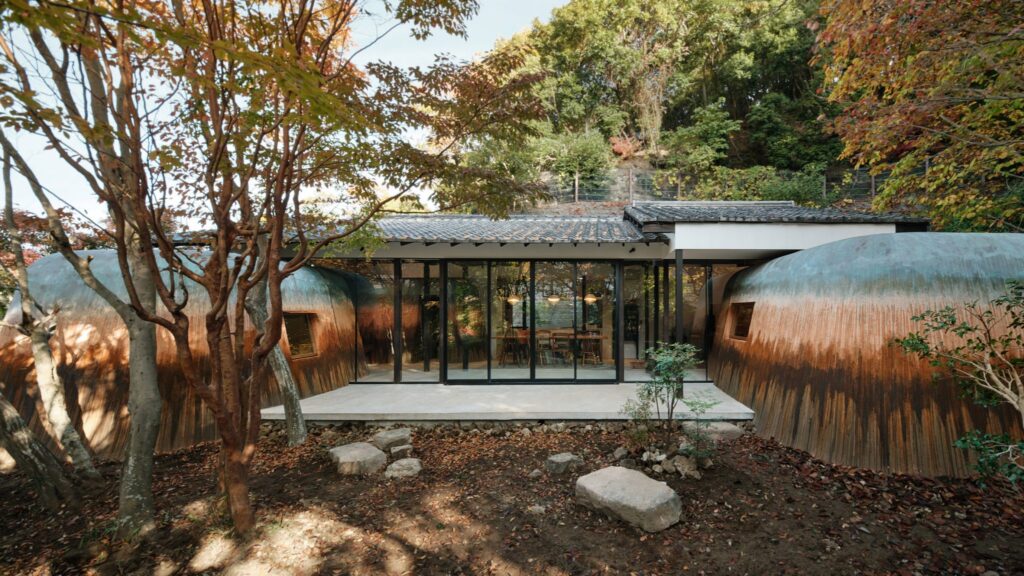
Japanese architecture often blends art, craftsmanship, and everyday living in subtle ways. A recent project by Japanese design studio Aatismo is a good example of that philosophy in action. The studio has completed a ceramic glaze inspired house extension that draws visual inspiration from traditional pottery techniques.
Instead of copying ceramics literally, Aatismo translated the fluid, streaked patterns of glazed pottery into architectural materials. The result is a house extension that feels both artistic and practical. The design plays with texture, light, and subtle color variations to give the building a distinctive look.
Located in Japan, the extension adds new living space while maintaining a strong connection to the original home. At the same time, it introduces a fresh identity through materials that reference the beauty of handcrafted ceramics.
This approach shows how architecture can borrow ideas from traditional crafts while still feeling modern.
A Design Inspired by Ceramic Glazes
Ceramic glazing is known for its unpredictable and organic textures. When pottery is fired in a kiln, glazes melt and flow across the surface, creating streaks, gradients, and subtle color shifts.
Aatismo wanted to capture that visual character in the building’s exterior.
Instead of smooth uniform surfaces, the architects designed a façade that mimics the layered, flowing appearance of glaze. Vertical elements and textured panels create a streaked effect, similar to glaze dripping across pottery.
This gives the extension a dynamic surface that changes depending on the lighting and viewing angle.
During the day, sunlight highlights the textures and creates soft shadows. In the evening, artificial lighting emphasizes the layered materials, giving the house a warm glow.
The idea was to bring the tactile feeling of ceramics into a much larger architectural scale.
Connecting Craft and Architecture
One of the most interesting aspects of the project is how it bridges traditional craft and contemporary architecture.
Japan has a long history of ceramics, from everyday tableware to high-art pottery. Glazes are an essential part of that tradition, often used to create unique finishes that can’t be perfectly replicated.
Aatismo translated that philosophy into the building design.
Rather than relying on flashy shapes, the studio focused on material expression. The façade’s texture and subtle color variation are what make the extension stand out.
This approach reflects a broader trend in Japanese architecture where materials are allowed to speak for themselves.
The result feels quiet and refined rather than overly dramatic.
Expanding the Home Without Losing Its Character
House extensions can sometimes feel disconnected from the original building. Aatismo avoided that problem by carefully balancing contrast and continuity.
The extension introduces new materials and textures, but it still respects the scale and proportions of the existing home.
Large openings connect the old and new sections of the house, allowing light to travel through the interior. This helps the extension feel like a natural continuation rather than an add-on.
From the street, the building appears cohesive while still revealing the new architectural identity.
This thoughtful balance makes the project feel both fresh and respectful of its surroundings.
Interior Spaces Designed for Light and Comfort
Inside the ceramic glaze inspired house extension, the design focuses on creating bright and flexible living areas.
Large windows and sliding glass doors bring natural light deep into the interior. These openings also help blur the boundary between indoor and outdoor spaces.
The interior layout is relatively simple, allowing the materials and natural light to take center stage.
Neutral colors and natural finishes give the rooms a calm atmosphere. Wood elements add warmth, complementing the textured exterior.
The goal was to create a comfortable everyday living environment while still maintaining the artistic concept behind the design.
In many ways, the interior acts as a quiet counterpart to the expressive façade.
The Role of Texture in Modern Architecture
Texture has become an important tool in contemporary architecture. While earlier modernist buildings often focused on smooth surfaces, many architects today are exploring richer materials and tactile finishes.
The Aatismo project fits perfectly into this movement.
By referencing ceramic glaze, the architects created a façade that feels alive and changing rather than static. Small variations in surface texture catch the light differently throughout the day.
This gives the building a subtle sense of movement.
Even though the structure itself is relatively simple, the textured materials add depth and personality.
It’s proof that architecture doesn’t always need dramatic forms to be visually interesting.
A Contemporary Take on Japanese Design
The ceramic glaze inspired house extension also reflects broader themes in contemporary Japanese architecture.
Many Japanese architects focus on:
-
Simplicity in form
-
Careful material selection
-
Strong connections to craft traditions
-
Harmony with the surrounding environment
Aatismo’s design follows these ideas closely.
The building doesn’t try to dominate its surroundings. Instead, it introduces texture and detail in a quiet, thoughtful way.
This subtle approach is often what makes Japanese residential architecture so appealing.
Rather than shouting for attention, the building invites people to notice its details slowly over time.
Why Craft-Inspired Architecture Matters
Projects like this highlight an important idea: architecture can learn a lot from traditional crafts.
Craft traditions often emphasize patience, experimentation, and attention to materials. Those same principles can lead to more meaningful architectural designs.
By referencing ceramic glazing, Aatismo created a building that tells a story about Japanese culture and craftsmanship.
At the same time, the design remains modern and practical.
This balance between past and present is what makes craft-inspired architecture so compelling.
It brings warmth and personality to spaces that might otherwise feel generic.
A Unique Addition to Contemporary Japanese Homes
The ceramic glaze inspired house extension stands out as a creative example of how architecture can reinterpret traditional ideas.
Aatismo didn’t simply replicate pottery patterns on a wall. Instead, the studio translated the essence of ceramic glazing—its fluid textures and layered appearance—into architectural form.
The result is a home extension that feels artistic without being overwhelming.
It adds functional living space while giving the house a distinctive identity.
For homeowners and architects alike, the project shows that inspiration can come from unexpected places—even something as small as the surface of a ceramic bowl.
Conclusion
The ceramic glaze inspired house extension by Aatismo demonstrates how architecture can combine craftsmanship, materials, and modern design thinking.
Through textured surfaces and subtle details, the project captures the beauty of ceramic glazing at a much larger scale. The extension adds new living space while maintaining a connection to the original home and the surrounding environment.
More importantly, it highlights how traditional crafts can still inspire contemporary architecture in meaningful ways.
In a world where many buildings look similar, projects like this remind us that thoughtful materials and cultural references can create spaces that feel truly unique.
Aatismo’s design proves that even a simple house extension can become a piece of architectural art.