
Zeller & Moye Blends Ruinous Character With Luxury for Mérida Hotel
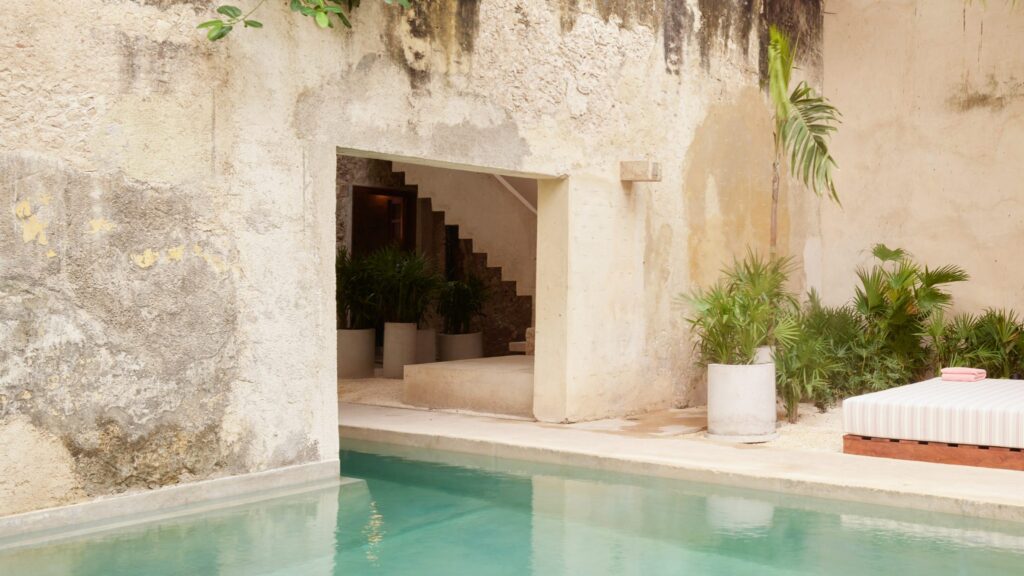
The Zeller & Moye Mérida hotel project is a perfect example of how architecture can respect history while still delivering a fresh and luxurious experience. Located in the historic city of Mérida, Mexico, this hotel combines the charm of an old ruin with carefully crafted modern design.
Instead of completely restoring the building into something polished and new, the architects embraced the structure’s weathered character. Cracked walls, aged textures, and traces of the past remain visible throughout the space.
At the same time, the hotel introduces contemporary comfort, creating a unique environment where history and luxury coexist in a balanced way.
A Historic Structure Reimagined
The Zeller & Moye Mérida hotel design began with an existing historic property in the city’s colonial district. Like many buildings in Mérida, the structure had deteriorated over time, leaving behind walls with visible wear and architectural fragments.
Rather than treating these elements as flaws, the design team saw them as valuable features.
Their strategy was simple but powerful: preserve the building’s ruinous identity while carefully inserting modern architecture that respects the original structure.
This approach allows guests to experience both the past and the present in the same space.
The Beauty of Ruinous Architecture
One of the most interesting aspects of the Zeller & Moye Mérida hotel is how the architects worked with the building’s ruin-like character.
Instead of hiding imperfections, they highlighted them.
Old stone walls, worn plaster surfaces, and weathered textures are intentionally left visible. These elements give the hotel a sense of authenticity that would be impossible to recreate artificially.
This design philosophy celebrates the idea that buildings gain character through time.
By allowing the marks of history to remain, the hotel feels deeply connected to its cultural and architectural context.
Modern Luxury Inserted Carefully
While the historic structure provides atmosphere, modern interventions bring comfort and functionality.
The Mérida hotel by Zeller & Moye integrates contemporary design elements in a way that feels subtle rather than overpowering.
Modern additions include:
-
Clean geometric volumes
-
Minimalist interior finishes
-
Carefully designed guest rooms
-
Contemporary lighting and furniture
These elements contrast with the historic textures but never dominate them.
Instead, they create a layered architectural experience where old and new coexist naturally.
Courtyards That Bring Light and Air
Like many traditional homes in Mérida, the hotel design revolves around interior courtyards.
The Zeller & Moye Mérida hotel architecture uses these courtyards to introduce natural light, ventilation, and greenery into the building.
Courtyards are essential in the region’s climate because they help regulate temperature and create shaded outdoor spaces.
Within the hotel, these courtyards become peaceful areas where guests can relax away from the busy streets of the city.
They also strengthen the connection between architecture and nature.
Local Materials and Regional Identity
Material selection plays a huge role in the design of the Zeller & Moye Mérida hotel.
The architects chose materials that reflect the local context of the Yucatán region. Instead of importing foreign finishes, they worked with textures and surfaces that feel rooted in the place.
Some key materials include:
-
Local limestone
-
Traditional plaster finishes
-
Natural wood elements
-
Handmade tiles and stone surfaces
These materials create a warm and tactile atmosphere throughout the hotel.
They also reinforce the building’s connection to Mérida’s architectural heritage.
Guest Rooms That Feel Calm and Minimal
Inside the guest rooms, the design becomes quieter and more minimalist.
The Mérida hotel interior design by Zeller & Moye focuses on creating restful spaces that contrast with the textured historic walls found in other areas of the building.
Guest rooms feature:
-
Soft neutral color palettes
-
Minimal furniture layouts
-
Natural materials
-
Large openings for natural light
This calm interior atmosphere allows guests to relax and disconnect from the busy pace of everyday life.
Even though the building carries historic character, the rooms feel fresh, comfortable, and contemporary.
A Balance Between Old and New
Achieving harmony between history and modern design is not easy.
But the Zeller & Moye Mérida hotel project manages to balance both without letting one overpower the other.
Historic elements provide texture, depth, and cultural context. Meanwhile, modern architecture ensures the hotel meets the expectations of contemporary travelers.
This balance creates an architectural dialogue between past and present.
Guests can see layers of history in the walls while enjoying modern comfort at the same time.
Architecture That Enhances Experience
One of the strongest aspects of the Zeller & Moye Mérida hotel architecture is how the design shapes the guest experience.
Instead of simply providing rooms to stay in, the hotel offers a spatial journey.
Visitors move through:
-
Quiet courtyards
-
Historic corridors
-
Textured stone walls
-
Calm interior spaces
Each transition reveals a different architectural moment.
This layered experience makes the hotel feel more like an exploration of the building’s history rather than a typical hospitality project.
Mérida’s Growing Design Scene
The Zeller & Moye Mérida hotel also reflects the growing reputation of Mérida as a destination for architecture and design.
In recent years, the city has attracted international architects who are interested in working with historic structures and regional materials.
Mérida’s colonial buildings, tropical climate, and cultural richness create unique opportunities for thoughtful architectural interventions.
Projects like this hotel show how modern architecture can engage respectfully with historic environments.
Why This Hotel Stands Out
Many hotels aim to create luxury through expensive finishes or extravagant design.
But the Zeller & Moye Mérida hotel design takes a different approach.
Here, luxury comes from atmosphere and authenticity.
The building’s historic textures, quiet courtyards, and carefully crafted spaces create a sense of calm that feels far more meaningful than flashy decoration.
Guests experience something unique: a place where architecture tells a story.
Final Thoughts
The Zeller & Moye Mérida hotel demonstrates how architecture can transform a deteriorated historic structure into a luxurious and meaningful space.
By embracing the building’s ruinous character instead of hiding it, the architects created a hotel that feels deeply connected to its past.
At the same time, contemporary interventions bring comfort, elegance, and modern functionality.
The result is a hotel that offers more than accommodation—it offers an architectural experience shaped by history, materiality, and thoughtful design.
And in a city as rich in culture as Mérida, that kind of architecture feels perfectly at home.