
Snøhetta Creates Ephemeral Concept Lab at 113 Spring in SoHo NYC
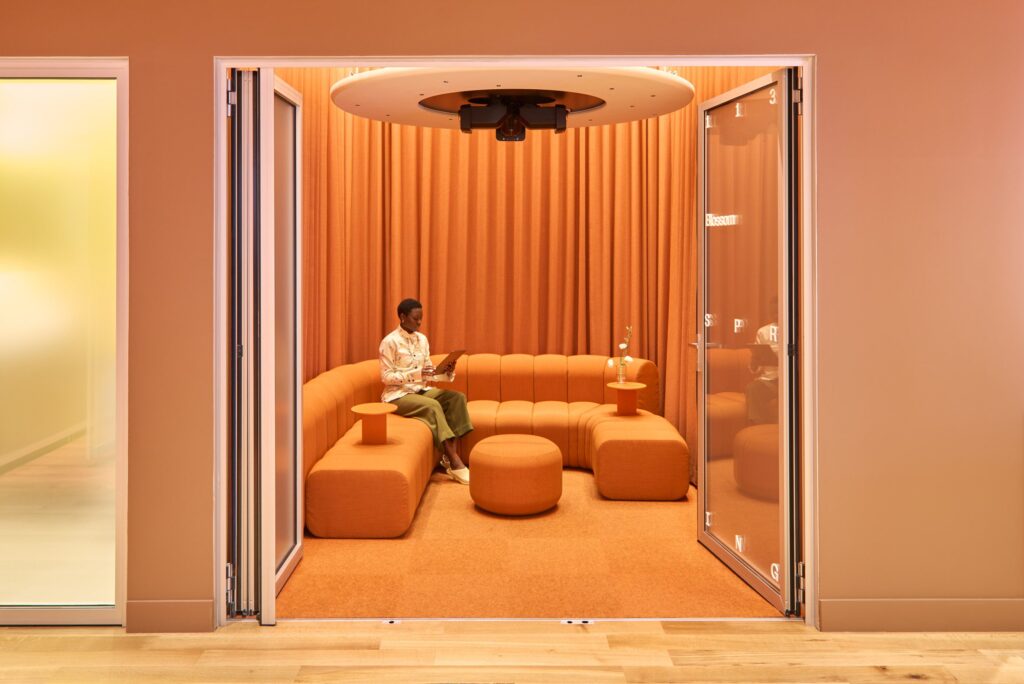
When you hear the word “ephemeral,” you probably think temporary, fleeting, here today gone tomorrow. But when Snøhetta uses that word, it hits differently. The firm has just unveiled an ephemeral concept lab at 113 Spring in SoHo NYC, turning a retail space into an experimental playground for ideas, materials, and human interaction.
Located at 113 Spring Street in the heart of New York City, this project isn’t just another pop-up. It’s a statement about how architecture can be flexible, responsive, and deeply connected to its urban context.
Let’s unpack what makes this ephemeral concept lab special — and why it matters.
What Is the Ephemeral Concept Lab at 113 Spring?
The Snøhetta ephemeral concept lab at 113 Spring in SoHo NYC is a temporary installation space designed to host experimental programming. Think of it as a hybrid between an exhibition venue, design studio, and collaborative think tank.
Rather than focusing on permanence, the lab embraces short-term transformation. The space is intentionally adaptable, allowing layouts, materials, and displays to shift depending on the event or activation happening inside.
That flexibility is the whole point.
In a neighborhood like SoHo — known for its cast-iron buildings, high-end boutiques, and creative energy — a static interior would almost feel out of place. Snøhetta leans into that dynamism instead of resisting it.
A Design That Feels Light and Temporary
Walking into the space, you won’t find heavy construction or permanent partitions. Instead, the design language is minimal, modular, and lightweight.
The ephemeral concept lab features:
-
Movable display systems
-
Neutral material palettes
-
Layered lighting elements
-
Semi-transparent partitions
-
Flexible seating arrangements
The materials are often selected for reusability and sustainability. Panels can be reconfigured. Installations can be disassembled. Nothing feels locked in.
It’s architecture without ego — and that’s refreshing.
Why SoHo?
Choosing SoHo as the location wasn’t random.
SoHo has long been a cultural hotspot in New York City. Once an industrial district filled with warehouses, it evolved into a creative hub for artists in the 1970s. Today, it’s a mix of fashion flagships, galleries, and high-concept retail experiences.
Placing the Snøhetta ephemeral concept lab at 113 Spring in SoHo NYC taps directly into that legacy of experimentation.
The neighborhood itself thrives on change. Retail stores rotate. Installations come and go. Windows transform seasonally. A temporary concept lab fits right into that rhythm.
Blurring the Line Between Architecture and Exhibition
One of the most interesting aspects of the ephemeral concept lab is how it blurs categories.
Is it architecture? Yes.
Is it an exhibition? Also yes.
Is it a retail experiment? Possibly.
Snøhetta has always approached projects with an interdisciplinary mindset. The firm is known for designing everything from cultural landmarks to brand experiences.
In this case, the lab becomes a testing ground — not just for spatial ideas, but for conversations. It’s a place where design isn’t just displayed; it’s discussed and questioned.
Sustainability and Reusability at the Core
Temporary spaces often get criticized for waste. But the Snøhetta ephemeral concept lab at 113 Spring in SoHo NYC challenges that assumption.
The design emphasizes:
-
Recyclable materials
-
Modular systems
-
Low-impact construction
-
Minimal structural alteration
By avoiding heavy build-outs, the project reduces its environmental footprint. When the concept lab eventually closes or relocates, components can be reused or repurposed elsewhere.
That’s a smart approach in an era where sustainability isn’t optional anymore.
Human-Centered Design
Snøhetta’s philosophy often centers on human experience. The ephemeral concept lab is no exception.
The layout encourages:
-
Informal gathering
-
Open dialogue
-
Interactive exploration
-
Visual curiosity
Instead of a rigid gallery format where visitors passively observe, the space invites engagement. Furniture can be rearranged. Displays can evolve. The environment feels alive.
In a city that never slows down, creating a space that encourages pause and reflection feels intentional.
The Power of Temporality in Architecture
There’s something compelling about knowing a space won’t last forever.
The ephemeral concept lab at 113 Spring in SoHo NYC embraces that temporary nature as part of its identity. It creates urgency. If you want to experience it, you have to show up while it’s there.
Temporary architecture often sparks creativity because it’s less constrained by long-term expectations. Designers can experiment more freely. Risks feel more acceptable.
In that sense, this lab becomes a laboratory in the truest meaning of the word.
Impact on Retail and Brand Spaces
This project also reflects a broader shift in retail design. Traditional stores are being replaced by experiential environments.
Consumers today want more than products. They want:
-
Storytelling
-
Immersive design
-
Social interaction
-
Shareable moments
The Snøhetta ephemeral concept lab at 113 Spring in SoHo NYC aligns with that trend. Even if it’s not purely retail, it functions as a brand-driven experience space.
And that’s where the future of urban storefronts seems to be heading.
A Reflection of Urban Change
New York City is constantly evolving. Buildings are repurposed. Storefronts shift identities. Pop-ups replace permanent tenants.
The ephemeral concept lab feels like a response to that reality.
Instead of fighting impermanence, Snøhetta embraces it. The project acknowledges that cities are living organisms. They adapt, transform, and they reinvent themselves.
So why shouldn’t architecture do the same?
Final Thoughts
The Snøhetta ephemeral concept lab at 113 Spring in SoHo NYC isn’t about scale or spectacle. It’s about flexibility, experimentation, and human connection.
By creating a temporary, adaptable space in one of New York’s most iconic neighborhoods, Snøhetta highlights a powerful idea: architecture doesn’t always need to be permanent to be meaningful.
Sometimes, the fact that something is temporary makes it even more impactful.
As cities continue to change and retail landscapes evolve, projects like this suggest a future where spaces are lighter, smarter, and more responsive.
And honestly? That feels like a direction worth exploring.