
Honor Debuts AI-Integrated Robot Smartphone at MWC 2026
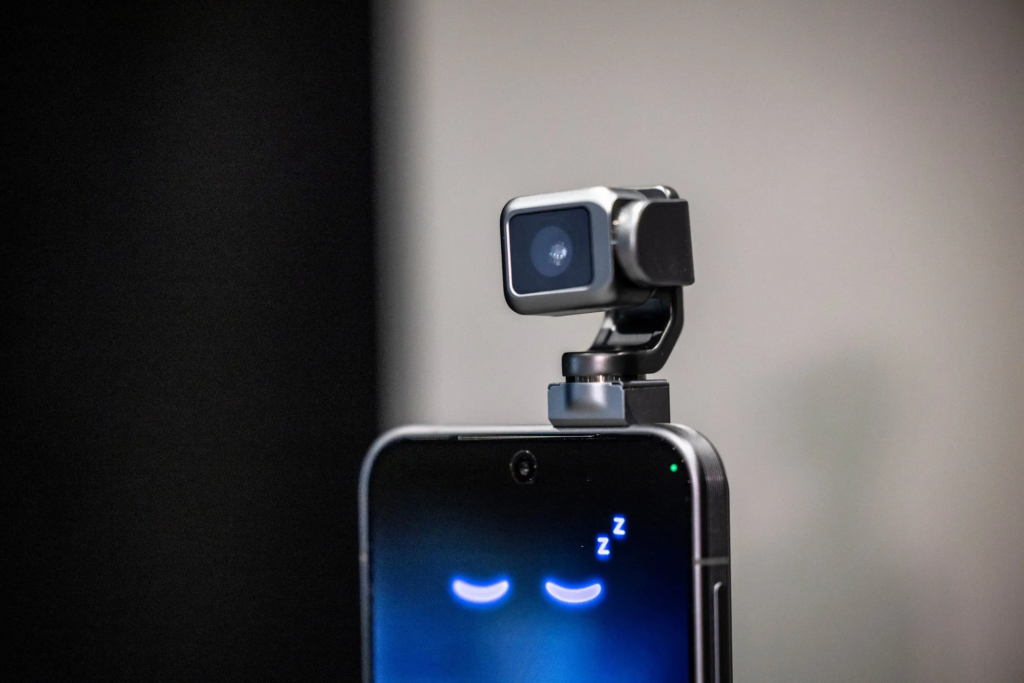
Honor debuts AI-integrated robot smartphone at MWC 2026, and honestly, this might be one of the boldest moves we’ve seen in the mobile industry in years. At Mobile World Congress 2026 in Barcelona, Honor didn’t just launch another flagship phone with better cameras and a faster chip. Instead, the company introduced what it calls a “robot smartphone” — a device that blends advanced AI, robotics-inspired hardware, and real-time automation into one sleek package.
So what exactly is an AI-integrated robot smartphone? And is this just a flashy concept, or something that could actually change how we use our phones every day? Let’s break it down.
What Is Honor’s AI-Integrated Robot Smartphone?
At first glance, the device looks like a premium flagship phone. Slim design, edge-to-edge display, polished metal frame. But the magic is under the hood.
Honor’s AI-integrated robot smartphone combines:
-
On-device large AI models
-
Robotic motion components
-
Context-aware automation
-
Advanced sensor fusion
-
Real-time adaptive learning
In simple terms, this phone doesn’t just respond to commands — it anticipates them.
During the live demo at MWC 2026, the phone showcased autonomous movement features using tiny built-in robotic modules. The device slightly adjusted its camera angle automatically when placed on a desk. It also rotated subtly to track a speaker during a video call. It felt like the phone was “aware” of its surroundings.
And yes, it looked futuristic.
AI That Goes Beyond a Smart Assistant
We’ve all seen AI in smartphones before. Siri, Google Assistant, Galaxy AI — nothing new there. But Honor is aiming for something deeper.
Unlike traditional voice assistants, this robot smartphone uses an embedded AI model that runs mostly on-device. That means faster processing, better privacy, and less dependence on the cloud.
The AI system can:
-
Summarize meetings in real time
-
Auto-generate replies based on tone and context
-
Edit photos and videos instantly
-
Translate conversations live
-
Predict tasks before you open an app
For example, if you regularly order food at 7 PM, the phone may proactively suggest your favorite restaurant before you even open the delivery app. If it detects you’re traveling, it can automatically prepare boarding passes, hotel details, and maps on your home screen.
It’s less about reacting — and more about thinking ahead.
The “Robot” Element: More Than a Marketing Gimmick?
The big question: is this really a robot?
Well, not in the walking, talking humanoid sense. But Honor integrated micro-robotic stabilization components and motion sensors that allow subtle physical movement. Think of it as mechanical intelligence assisting digital intelligence.
Some key robotic-inspired features include:
-
Auto-adjusting camera tilt for hands-free shooting
-
Micro-gimbal system that reacts to motion instantly
-
Self-positioning during video recording
-
Smart orientation detection for better face tracking
Imagine setting your phone on a table for a vlog. Instead of adjusting it manually every few minutes, it tracks you naturally. That’s where the robot smartphone idea starts to make sense.
It’s not just software innovation. It’s hardware evolution too.
Performance and Hardware Specs
Honor didn’t ignore performance either. This isn’t just a concept device. The AI-integrated robot smartphone is powered by a next-gen chipset optimized for AI workloads. While full specifications are still limited, here’s what we know so far:
-
6.8-inch OLED display with ultra-high refresh rate
-
Dedicated AI processing unit (APU)
-
Advanced cooling system for sustained AI performance
-
Multi-lens camera system with robotic stabilization
-
Large battery with fast charging
The device also features upgraded biometric sensors and environmental detection systems, which help the AI understand user behavior patterns.
It’s clear Honor built this phone from the ground up with AI in mind.
Why MWC 2026 Was the Perfect Stage
Mobile World Congress has always been about pushing boundaries. From foldable phones to rollable screens, MWC is where brands show what’s next.
By unveiling the AI-integrated robot smartphone at MWC 2026, Honor positioned itself as a company that wants to lead, not follow. With competitors heavily investing in generative AI, this launch felt like a statement: AI isn’t just software — it’s the future of hardware too.
And honestly, the crowd reaction said a lot. The live demos drew massive attention, especially from developers and tech analysts looking for the “next big thing” after foldables.
How This Could Change the Smartphone Industry
If Honor’s AI-integrated robot smartphone gains traction, we could see a new category emerge: robotic AI phones.
Here’s what that might mean:
-
Phones that physically adapt to users
-
More on-device AI processing
-
Smarter automation without manual setup
-
Hardware designed specifically for AI workloads
This could also pressure other brands to rethink their approach. Instead of simply adding AI features through software updates, companies may need to redesign hardware architecture entirely.
It’s a bold shift — and potentially an expensive one.
Is It Ready for Mass Market?
That’s still unclear.
Honor hasn’t confirmed global pricing or release dates. There’s also the question of durability. Moving components inside a smartphone could raise long-term reliability concerns.
But early impressions suggest this isn’t just a prototype. The device shown at MWC 2026 looked polished and functional, not experimental.
If Honor can keep the price competitive, the AI-integrated robot smartphone could attract tech enthusiasts, content creators, and early adopters first — before going mainstream.
The Bigger AI Vision From Honor
This launch fits into Honor’s broader AI strategy. Over the past few years, the company has invested heavily in AI research, especially after separating from its former parent company.
By integrating robotics and AI directly into smartphones, Honor is signaling something important: the phone may become a personal AI hub, not just a communication tool.
Think of it as the first step toward more intelligent personal devices — maybe even modular robotic gadgets in the future.
It sounds ambitious. But then again, foldable phones once sounded crazy too.
Final Thoughts: Hype or Real Innovation?
So, is Honor’s AI-integrated robot smartphone just a flashy MWC moment? Or the beginning of a new era?
Right now, it feels like both.
There’s definitely showmanship involved. But there’s also genuine innovation happening under the surface. Combining on-device AI with robotic hardware elements is not a small engineering feat.
If this technology matures, we might look back at MWC 2026 as the moment smartphones stopped being passive tools and started becoming active assistants.
And honestly? That’s a future worth watching.
One thing is clear: Honor didn’t just debut another phone at MWC 2026. It debuted a conversation about what smartphones could become next.