
SODA Transforms Art Deco Landmark Into Contemporary Workspace
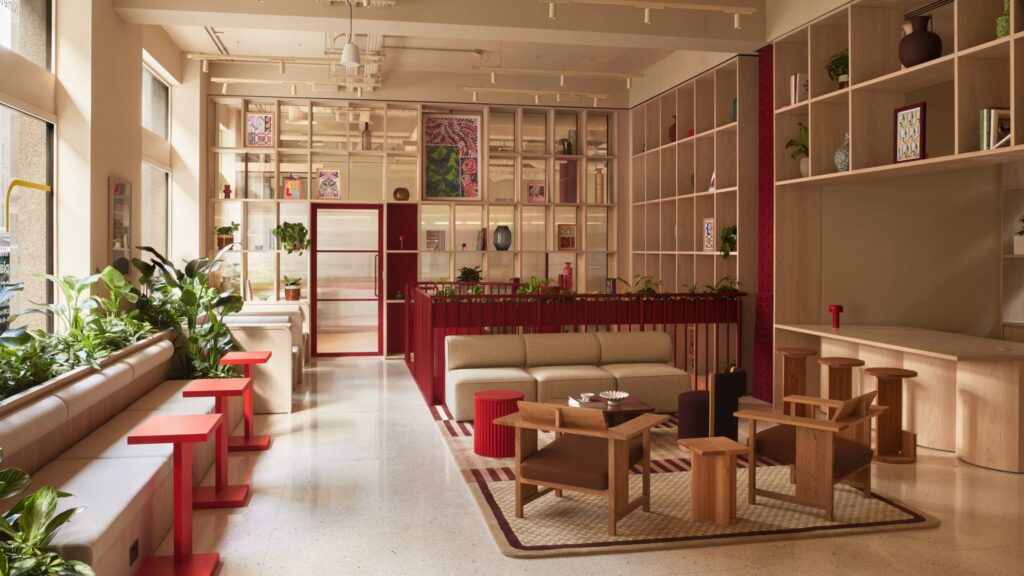
When heritage architecture meets modern work culture, something special can happen. That’s exactly the case as SODA transforms an Art Deco landmark into a contemporary workspace that feels both timeless and fresh.
The project is more than just an office renovation. It’s a thoughtful reworking of an Art Deco building, carefully balancing preservation with innovation. In a time when workspaces are evolving rapidly, SODA shows how historic structures can adapt without losing their identity.
Respecting the Art Deco Landmark
Art Deco buildings are known for their bold geometry, symmetry, and decorative detailing. They carry a sense of glamour and optimism that defined the early 20th century. Renovating one is not a simple task.
Instead of stripping away the building’s character, SODA embraced it. The transformation keeps the core architectural features intact while introducing contemporary elements that support modern working styles.
This approach ensures the Art Deco landmark remains visible in every corner of the new workspace.
A Contemporary Workspace Designed for Today
The way we work has changed. Open collaboration, flexible seating, and hybrid work models are now standard expectations. SODA transforms the Art Deco landmark into a contemporary workspace by designing with these needs in mind.
Inside, the layout feels open yet structured. Large shelving systems act as subtle dividers rather than walls. Soft seating areas encourage informal meetings. Workstations are arranged to promote both focus and interaction.
The result is a space that feels dynamic without being chaotic.
Warm Materials and Bold Accents
One of the standout features of this contemporary workspace is its material palette. Warm wood tones dominate the interior, creating a welcoming and grounded atmosphere.
Red accents — from railings to small furniture pieces — add contrast and energy. This color choice feels intentional. It brings vibrancy without overpowering the calm, neutral base.
The combination of wood, soft upholstery, and carefully integrated lighting creates a workspace that feels less corporate and more human.
Blending Old and New in a Natural Way
The real success of this project lies in how naturally the old and new coexist.
Original structural elements are not hidden. Instead, they are highlighted. High ceilings, large windows, and geometric proportions remind visitors of the building’s Art Deco heritage.
At the same time, modern interventions — modular shelving, contemporary furniture, and clean-lined partitions — introduce functionality suited to today’s needs.
SODA transforms the Art Deco landmark into a contemporary workspace without forcing a contrast. Everything feels connected.
Creating Zones Within an Open Plan
Modern offices often struggle with noise and lack of privacy. SODA solves this by creating zones within the open plan.
Instead of solid walls, the design uses:
-
Built-in shelving systems
-
Low partitions
-
Changes in flooring
-
Strategic furniture placement
These subtle boundaries allow teams to collaborate while still maintaining visual openness.
It’s a smart way to preserve the spacious feel of the Art Deco structure while adapting it to a contemporary workspace model.
Natural Light as a Key Element
Art Deco buildings are often blessed with generous windows, and this project makes full use of them.
Natural light flows through the space, reflecting off light-colored surfaces and enhancing the warmth of the wood finishes. Plants are integrated along seating areas and shelving units, adding softness and improving the overall atmosphere.
The use of greenery reinforces the idea that a contemporary workspace should support well-being, not just productivity.
Furniture That Feels Architectural
The furniture selection plays a big role in defining the space. Instead of generic office desks, the design features custom-looking pieces that feel architectural.
Low wooden chairs, solid tables, and upholstered sofas create a lounge-like environment. Some seating areas resemble living rooms rather than traditional offices.
This shift reflects a broader trend in workplace design: making offices feel comfortable enough to compete with working from home.
A New Identity for a Historic Building
When SODA transforms the Art Deco landmark into a contemporary workspace, it’s not just about aesthetics. It’s about giving the building a new life.
Many historic structures face demolition or underuse. By adapting the building for modern work culture, SODA ensures its continued relevance.
Adaptive reuse projects like this prove that preservation and progress don’t have to be opposites.
Supporting Collaboration and Focus
The contemporary workspace design balances collaboration and concentration.
Open seating areas encourage spontaneous meetings. More enclosed corners allow for focused work. The shelving systems act as acoustic buffers, helping reduce noise without blocking light.
This thoughtful planning shows an understanding of how people actually use office spaces today.
The Role of Color and Texture
Color plays a subtle but powerful role in the transformation.
The dominant wood tones create warmth and continuity. Red elements inject personality and tie different areas together visually. Neutral fabrics soften the space, making it feel approachable.
Textures — from smooth floors to woven rugs — add layers that prevent the interior from feeling flat.
All these details work together to make the contemporary workspace visually rich but not overwhelming.
Why This Project Matters
SODA transforms the Art Deco landmark into a contemporary workspace at a time when cities are rethinking office use.
With remote work becoming more common, companies must create environments people actually want to visit. Historic buildings offer unique character that new constructions often lack.
By combining heritage architecture with modern functionality, this project demonstrates a model for future office renovations.
Sustainability Through Adaptation
Renovating an existing building is often more sustainable than constructing a new one. By reusing the Art Deco landmark, SODA reduces material waste and preserves embodied energy.
The integration of natural light, durable materials, and long-lasting finishes further supports sustainability goals.
In this sense, the project is not only aesthetically successful but environmentally responsible.
A Contemporary Workspace With Character
Too many offices feel interchangeable. What makes this project stand out is its strong sense of identity.
The Art Deco roots provide character. The contemporary design brings relevance. Together, they create a workspace that feels unique and memorable.
Employees and visitors alike can sense that this is not just another office — it’s a carefully crafted environment.
Final Thoughts
SODA transforms the Art Deco landmark into a contemporary workspace in a way that feels respectful, creative, and forward-thinking.
By preserving the building’s historic essence while introducing modern functionality, the project bridges two eras seamlessly. It shows how adaptive reuse can shape the future of workspaces.
In a world where office design must compete with flexibility and comfort, this transformation proves that heritage architecture can be part of the solution.
The result is a contemporary workspace that honors its past while confidently stepping into the future.