
Chongqing Luxerivers Café: A Modern Riverside Retreat Blending Architecture and Nature
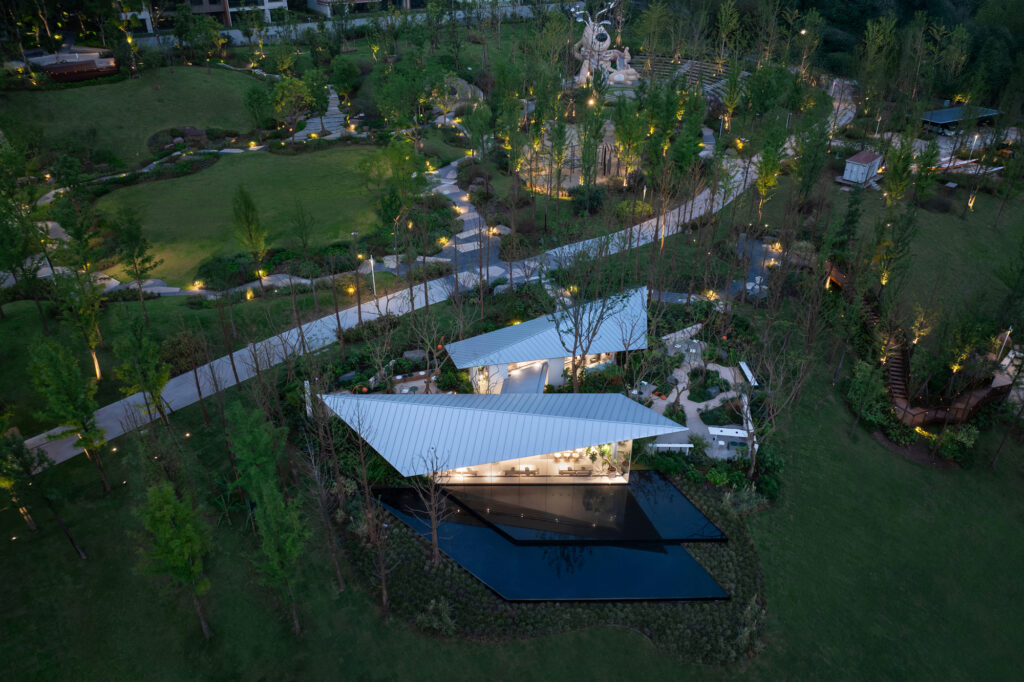
Chongqing Luxerivers Café is not just another coffee spot. It’s the kind of place where architecture, landscape, and atmosphere come together to create an experience. Located in Chongqing, a city known for its dramatic hills and layered urban scenery, this café stands out by doing the opposite of what many urban spaces do. Instead of competing with nature, it blends into it.
At first glance, Chongqing Luxerivers Café feels calm and almost meditative. Surrounded by greenery, winding paths, and soft lighting, the space feels more like a park pavilion than a typical café. That’s exactly what makes it special.
A Café Designed to Be Part of the Landscape
One of the most striking things about Chongqing Luxerivers Café is how naturally it sits in its environment. The building uses clean lines, low profiles, and reflective surfaces that echo the shapes of the surrounding terrain. Rather than dominating the landscape, the structure feels carefully placed, almost like it grew there.
The roof design plays a big role in this effect. Its sharp, geometric form gives the café a contemporary look, but the muted materials and open layout keep it from feeling cold or overly industrial. Large glass panels open up views of the trees, pathways, and water features around the site, making visitors feel connected to the outdoors even while sitting inside.
This approach reflects a growing trend in modern architecture where buildings are designed not just for function, but for emotional experience.
The Atmosphere: Calm, Quiet, and Intentional
Walking into Chongqing Luxerivers Café, the atmosphere immediately feels different from busy urban coffee shops. There’s a sense of quiet that encourages people to slow down. Soft lighting, natural textures, and minimalist furniture create a relaxed setting where conversations feel unhurried.
The café seems designed for people who want to pause rather than rush. Some visitors come to read, others to work, and many simply to enjoy the environment. The layout gives enough space between seating areas, which helps maintain a peaceful vibe even when the café is busy.
In a fast-paced city like Chongqing, places like this are becoming increasingly valuable.
Architecture That Focuses on Experience
Chongqing Luxerivers Café is a good example of experience-driven design. Every element, from the lighting placement to the pathways leading to the building, feels intentional.
The surrounding landscape is not just decorative. Walking paths curve naturally through trees and small gardens, guiding visitors toward the café in a way that feels organic rather than forced. Outdoor seating areas are positioned to capture the best views and natural light throughout the day.
At night, subtle ground lighting highlights the paths and vegetation, transforming the space into something almost cinematic. The reflection of lights on water surfaces adds another layer of atmosphere, making evening visits especially memorable.
Why Chongqing Is Becoming a Hub for Creative Architecture
Chongqing has quietly become a city known for bold and experimental architecture. Its mountainous terrain forces architects to think differently about structure, elevation, and spatial flow.
Projects like Chongqing Luxerivers Café show how designers are embracing this challenge. Instead of flattening landscapes or imposing rigid grids, many new developments work with the natural contours of the land.
This approach not only preserves the environment but also creates more interesting and memorable spaces. Visitors don’t just see a building; they experience a journey through it.
The Role of Nature in Modern Café Culture
Over the last decade, café culture has changed a lot. Coffee shops are no longer just places to grab a drink. They have become social hubs, creative spaces, and even destinations in their own right.
Chongqing Luxerivers Café reflects this shift perfectly. People visit not only for coffee but also for the atmosphere, photography, and the sense of escape from city life.
Nature plays a big role in this trend. Studies and everyday experience both show that being around greenery reduces stress and improves mood. Cafés that incorporate gardens, water features, and open-air designs are becoming more popular around the world.
A Space Designed for Visual Impact
It’s impossible to talk about Chongqing Luxerivers Café without mentioning its visual appeal. The building’s geometry, reflective water surfaces, and layered landscaping create strong visual compositions from almost every angle.
This makes the café especially popular with photographers and social media visitors. The space changes character throughout the day, from soft morning light to dramatic evening illumination, giving people plenty of reasons to return.
But unlike some places designed purely for aesthetics, this café balances beauty with comfort. The design never feels forced or artificial.
Sustainability and Thoughtful Design
Another aspect worth noting is the way Chongqing Luxerivers Café uses design to support sustainability. Natural ventilation, daylighting, and landscaping all help reduce energy consumption.
The presence of trees and green areas also helps regulate temperature and improve air quality around the site. These small but meaningful design choices show how architecture can contribute to environmental responsibility without sacrificing style.
As cities continue to grow, projects like this demonstrate how urban spaces can remain green and livable.
The Visitor Experience
For visitors, the experience of Chongqing Luxerivers Café often begins before they even step inside. The approach through landscaped paths creates a gradual transition from the outside world into a calmer environment.
Once inside, the open layout and panoramic views keep the connection to nature alive. Seating areas are arranged to maximize comfort and views, and the atmosphere encourages people to stay longer than they originally planned.
Many guests describe the café as a place where time feels slower. That’s not something you can easily design, but here it seems to happen naturally.
Why Places Like This Matter
In many modern cities, public spaces are becoming more crowded and commercialized. Quiet, thoughtfully designed places are increasingly rare.
Chongqing Luxerivers Café shows that it’s still possible to create environments that feel human, peaceful, and inspiring. It reminds us that architecture is not just about buildings, but about how people feel inside them.
Spaces like this encourage reflection, creativity, and connection, things that are often lost in fast-moving urban life.
Final Thoughts
Chongqing Luxerivers Café is more than a café. It’s a carefully designed environment where architecture, landscape, and atmosphere work together to create a unique experience. Its modern design, natural setting, and calming atmosphere make it a standout example of how thoughtful architecture can shape the way people interact with a space.
As cities continue to grow and evolve, places like Chongqing Luxerivers Café offer a glimpse of what the future of urban design could look like: greener, quieter, and more connected to nature.
And honestly, in a world that rarely slows down, that kind of place feels more valuable than ever.