
China Bans Hidden Car Doors: What This Means for the Automotive Industry
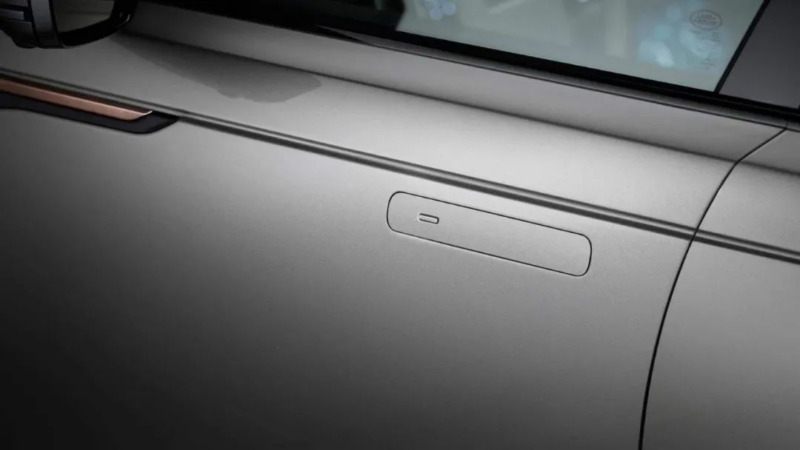
In the world of cars, innovation is constantly pushing the boundaries of design and functionality. Automakers are always looking for new ways to make cars sleeker, more efficient, and more exciting. But sometimes, these innovations come with unintended consequences. Take, for example, the recent news that China has banned hidden car doors. This might sound like a small, insignificant rule, but it actually has big implications for the automotive industry. Let’s dive into why China made this decision and what it means for car manufacturers and drivers.
What Are Hidden Car Doors?
Before we get into why China has banned them, it’s important to understand what hidden car doors are. Essentially, hidden car doors are those that are seamlessly integrated into the car’s body. They don’t stand out like traditional car doors; they’re often camouflaged with the car’s exterior design, making them less obvious to the eye. Some cars feature flush handles or electrically activated doors that pop open when you approach them, giving the car a more sleek and futuristic look.
These types of doors have become a trend in luxury cars and concept cars, especially those from high-end brands like Tesla, BMW, and Audi. The appeal lies in the streamlined, minimalist design that makes the car look more advanced and refined.
Why Did China Ban Hidden Car Doors?
China’s decision to ban hidden car doors came after a series of concerns were raised about the safety and accessibility of such doors. Hidden doors might look cool, but they can pose serious risks, especially in emergency situations. Here’s why:
1. Safety Concerns
One of the main reasons behind the ban is safety. In the event of a car accident, hidden doors can make it difficult for rescue workers to quickly and easily open the car doors to get people out. Traditional car doors are designed to be easy to open and provide a clear path for emergency responders. But hidden doors, especially those that require electronic systems to open, might not function properly if the car’s power is cut off or if the system malfunctions.
In an emergency, every second counts. A car door that won’t open because it’s hidden or requires a special mechanism to operate could lead to delays in rescue efforts. This could be especially problematic in crash situations, where the quick evacuation of passengers is critical.
2. Regulatory Compliance
China has strict vehicle regulations, especially when it comes to vehicle safety. Authorities in the country want to ensure that all cars on the road meet specific standards for emergency response and safety performance. Hidden car doors simply didn’t meet these standards, and as a result, the government decided to put a stop to them.
The ban aligns with China’s goal of keeping cars safer for the general public and ensuring that vehicles meet rigorous safety tests before being allowed on the road.
3. Accessibility Issues
Another concern raised was the accessibility of hidden car doors for all types of drivers, including those who might have physical disabilities. Traditional car doors are easy to open and accessible for people of all abilities. But hidden doors, with their sleek designs and electronic systems, might not be as accessible, particularly in situations where someone needs to open the door quickly.
By banning hidden doors, China ensures that car manufacturers focus on designs that are universally accessible, with no unnecessary barriers that might hinder someone from getting in or out of the car in a time of need.
What Does This Ban Mean for Car Manufacturers?
For car manufacturers, this ban is a big deal. Hidden car doors, while stylish and futuristic, have been marketed as a premium feature in many luxury cars. Automakers have invested a lot of time and resources into creating these high-tech door systems, so having them banned in one of the world’s largest car markets is a significant setback.
1. Design and Innovation Constraints
Manufacturers will need to adjust their designs to comply with this new rule. Instead of focusing on hidden or flush doors, car brands will have to go back to the drawing board and find new ways to create sleek, modern designs that are still functional and safe. This might mean designing more traditional doors or exploring alternative technologies that are safer and more accessible, without sacrificing aesthetics.
2. R&D Adjustments
Research and development teams within car companies will have to reassess their priorities. A lot of resources have gone into perfecting hidden door mechanisms, and now that those investments are being restricted, manufacturers will have to shift their focus. This could result in higher costs and delays as manufacturers work to redesign their vehicles to meet safety standards.
3. Impact on Luxury Brands
Luxury car brands, especially those looking to position themselves as cutting-edge and innovative, might find this ban particularly challenging. Tesla, BMW, and Audi have all showcased hidden or flush door designs as part of their future-forward visions. They’ll now have to rethink those concepts, which could affect the car’s design and marketability in China.
What Does This Mean for Drivers?
For drivers, the ban on hidden car doors might seem like an inconvenience, but it’s ultimately a step toward making cars safer. Here’s how this ban affects drivers:
1. Better Safety in Emergencies
The primary benefit for drivers is improved safety. Traditional doors are much easier for emergency responders to open, which can make a big difference in critical situations. While hidden doors look cool, they don’t offer the same level of accessibility when it counts.
2. More Reliable Doors
Without the complexity of hidden doors or electronically activated systems, regular car doors are more reliable. You don’t have to worry about malfunctioning mechanisms or the need for electrical power to open them. In the long run, this could reduce maintenance costs and make the car more user-friendly.
3. Less Fancy, but Still Stylish
Although the sleek, futuristic design of hidden doors may no longer be available, that doesn’t mean cars will suddenly look outdated. Manufacturers will still find creative ways to keep cars stylish and modern, even with traditional doors. Expect to see new designs that emphasize both aesthetics and functionality, keeping the car looking good while still being safe and practical.
The Bigger Picture: What This Means for the Global Automotive Industry
China’s decision to ban hidden car doors sends a message to the entire automotive industry: safety comes first. This ban might spark similar regulations in other countries, especially as more markets adopt stricter safety standards. Automakers will have to prioritize functional design over flashy features, ensuring that every car on the road is as safe as possible for its passengers.
As the world’s largest car market, China has a massive influence on global automotive trends. If other countries follow China’s lead, manufacturers worldwide will need to rethink their designs and focus on creating cars that are not only innovative but also safe and accessible for everyone.
Conclusion
China’s ban on hidden car doors is a significant move that reflects a growing concern for safety and accessibility in vehicle design. While hidden doors might look sleek and futuristic, they pose risks that can’t be ignored. This change forces manufacturers to focus on safer, more reliable designs, which will ultimately benefit drivers and passengers everywhere.
While it may be a setback for some automakers who were pushing the boundaries of design, it’s a necessary step for creating safer, more accessible cars for the future. As the automotive industry evolves, we can expect more regulations and innovations that prioritize safety, ensuring that the cars of tomorrow are both cutting-edge and reliable.