
Trump Raises US Tariffs on South Korea Imports to 25%, Rekindling Global Trade Tensions
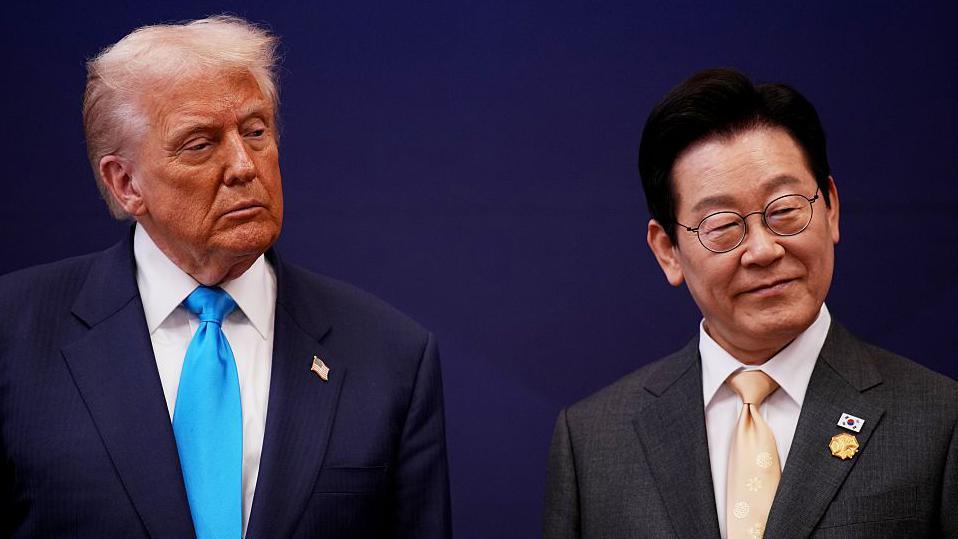
Donald Trump is once again putting tariffs back at the center of the global conversation. In a recent statement, Trump said he would raise US tariffs on imports from South Korea to 25%, a move that instantly grabbed attention in Washington, Seoul, and across Asian markets. For many observers, it feels like a familiar script—one that echoes Trump’s first-term trade battles and his long-standing belief that tariffs are a powerful economic weapon.
South Korea is not just another trading partner. It’s a key US ally, a major exporter, and deeply embedded in American supply chains. That’s why the idea of a 25% tariff hike is raising eyebrows and sparking questions about what this could mean for businesses, consumers, and diplomatic ties.
Why Trump Is Talking About Tariffs Again
Trump has always been clear about his views on trade. He believes the US has been treated unfairly for decades and that tariffs are an effective way to push back. According to Trump, higher tariffs force trading partners to renegotiate deals and encourage companies to bring manufacturing back to the US.
Raising tariffs on South Korean imports to 25% fits neatly into that narrative. It sends a message that even close allies are not exempt if Trump believes American industries are losing out. Politically, it also plays well with voters who feel globalization has left them behind.
With economic uncertainty still hanging in the air, tariffs are an easy talking point—simple, tough-sounding, and easy to frame as “protecting American jobs.”
A Brief Look at US–South Korea Trade
The US and South Korea share a strong trade relationship under the KORUS Free Trade Agreement, which was revised during Trump’s presidency. At the time, Trump claimed the updated deal was more favorable to the US, especially for carmakers and manufacturers.
Even so, South Korea remains a major exporter to the American market. Cars, auto parts, electronics, semiconductors, steel, and consumer appliances are among the most important imports. Many US companies rely on these products, either directly or as components in their own manufacturing processes.
That’s what makes a 25% tariff such a big deal. It doesn’t just hit exporters—it potentially affects entire supply chains.
What a 25% Tariff Could Mean for South Korea
For South Korea, higher US tariffs would be a serious challenge. Large conglomerates, especially in the automotive and electronics sectors, depend heavily on US demand. A 25% tariff could make their products more expensive and less competitive overnight.
Companies might respond in several ways: absorbing some of the costs, passing them on to consumers, or shifting production to other countries. None of these options are easy, and all come with trade-offs.
There’s also the political dimension. South Korea has long balanced its economic relationship with the US alongside regional pressures in Asia. Trade friction with Washington complicates that balance and could push Seoul to diversify its trade partnerships even further.
Impact on US Businesses and Consumers
While tariffs are often sold as a tool to protect domestic industries, they rarely come without consequences at home. A 25% tariff on South Korean imports could raise prices for American consumers, especially in sectors where Korean brands play a major role.
Cars, TVs, smartphones, home appliances—these are everyday products. If import costs rise, consumers may end up paying more, even if they don’t realize tariffs are the reason.
US manufacturers that rely on South Korean components could also feel the squeeze. Higher input costs can reduce competitiveness, cut into profits, or lead to higher prices down the line.
Echoes of Trump’s First-Term Trade Strategy
For many analysts, this announcement feels like déjà vu. During Trump’s first term, tariffs were used aggressively, sometimes announced suddenly and adjusted just as quickly. Trade partners were often left guessing about what would happen next.
Supporters argue that this unpredictability gave Trump leverage and forced other countries to the negotiating table. Critics say it created uncertainty, hurt exporters, and strained relationships with allies.
If tariffs on South Korea do rise to 25%, it could mark a return to that same high-pressure style of trade policy.
How Markets Are Likely to React
Financial markets tend to react fast to tariff news. Even the possibility of higher tariffs can impact stock prices, currencies, and investor confidence. Companies exposed to US–South Korea trade are especially sensitive to these signals.
Beyond markets, other US allies will be watching closely. If South Korea faces steep tariffs, it raises questions about how secure other trade relationships really are. That uncertainty could encourage countries to strengthen regional trade deals or reduce reliance on the US market.
Is This Policy or Political Messaging?
One key question remains unanswered: is this a firm policy plan or part of Trump’s broader political messaging? Trump has often used tariffs as a negotiation tactic, sometimes backing down after talks, sometimes following through.
At this stage, it’s unclear how and when a 25% tariff would be implemented, or whether exemptions and negotiations would follow. Still, the message itself matters. It signals a tougher stance and puts pressure on both allies and domestic stakeholders.
For businesses, that uncertainty is often the hardest part. Planning becomes difficult when trade rules could change quickly.
The Bigger Picture on Global Trade
Trump’s tariff announcement reflects a broader shift in global trade thinking. Around the world, governments are reassessing supply chains, economic security, and dependence on foreign manufacturing.
Tariffs, once seen as outdated, are back in the spotlight. Supporters see them as tools for economic defense. Critics argue they raise costs and slow growth.
The debate is far from settled, and Trump’s comments ensure it won’t be going away anytime soon.
Final Thoughts
Trump raising US tariffs on South Korean imports to 25% is more than just another headline. It’s a reminder of how quickly trade policy can become a political flashpoint, even between close allies.
Whether this move becomes reality or remains a negotiating tactic, its impact is already being felt in markets and policy discussions. Businesses, consumers, and governments alike are watching closely, knowing that tariffs have a way of reshaping relationships long before they officially take effect.
If history is any guide, the conversation around US–South Korea trade is only just beginning.